
Host Website | Call for Papers | Author Instructions | Manuscript Submission | Posters & Images | Workshops | MaCFP
The International Association for Fire Safety Science (IAFSS) is proud to announce that the 12th International Symposium on Fire Safety Science will be held on June 12–16, 2017 at Lund University, Sweden.
The Symposium has a has a dedicated website where you can find more information about arrangements and scheduling. The call for papers is also available below. Author Instructions are available for those preparing a manuscript for submission, which can be submitted following the Manuscript Submission instructions. Posters and Fire Science Images can also be presented at this symposium. A number of Sunday Workshops prior to the symposium will be held, as well as the First Workshop Organized by the IAFSS Working Group on Measurement and Computation of Fire Phenomena (MaCFP).
IMPORTANT NOTICE: For the 12th IAFSS Symposium, and this for the first time, the Proceedings will be published as a Special Issue of the Fire Safety Journal (http://www.journals.elsevier.com/fire-safety-journal). Details on the transfer of the manuscripts from the EasyChair website used by IAFSS to the Elsevier website used by Fire Safety Journal as well as details on the composition of the guest Editors team responsible for final publication decisions are still being worked out and will be clarified in the coming few weeks (Fall 2016).
Invited Speakers
Luke Bisby (University of Edinburgh, UK) “Structural Response of Cross-Laminated Timber Compression Elements Exposed to Fire”
Karen Boyce (University of Ulster, UK) “Safe Evacuation for All – Fact or Fantasy? Past Experiences, Current Understanding and Future Challenges”
Ritsu Dobashi (University of Tokyo, Japan) “Studies on accidental gas and dust explosions”
Longhua Hu (University of Science and Technology of China) “A review of pool fire behaviors in wind and challenges”
Birgit Östman (SP, Sweden) “Fire safety engineering in timber buildings”
Call for papers
The Symposium is the premier fire safety science meeting in the world and has been organized triennially since 1985 by the IAFSS. The program will have parallel sessions for the presentation of fully peer-reviewed papers over the five days of the Symposium, including invited lectures from the world’s top fire science researchers. Symposium activities will begin on Sunday, June 11 with several workshops during the day and a Welcome Reception in the evening. The Symposium will also have poster sessions which will provide an excellent opportunity to interact individually with researchers about their most recent work. Students are encouraged to participate and awards will be granted for the best student presentations. In addition to the technical sessions, numerous social activities are planned to cater for informal meetings with colleagues and friends. There will also be a wide range of entertainment and tours in the companion program. Southern Sweden combines rural and urban areas, as well as a marvellous nature within a well accessible area.
Host Venue
The Symposium will be held at the Technical Faculty Campus at Lund University (http://www.lth.se/fileadmin/virtuell_flygtur/en/). Lund University is a world-class university and it is ranked as one of the top 100 Universities in the world. The city of Lund was founded around year 990 and in 1085 the first school was founded in the city, which makes Lund the oldest seat of learning in Scandinavia. Lund University was officially founded in 1666 and today it has over 42,000 students enrolled. There has been active and well-known research in Fire Science at Lund University since the 1960s. The Division of Fire Safety Engineering (http://www.brand.lth.se) is involved in both bachelor and master programs in Fire Safety Engineering, with a yearly enrollment of around 60 new students in these programs.
The Lund city center is accessible due to its small size, which makes it easy to travel both by foot and by the well-developed public transport system. There are also very good connections with the rest of the region and the world. The international airport in Copenhagen is only 35 minutes away by train. Copenhagen airport is the largest airport in Scandinavia and easy to reach from most major international airports.
Registration and Accommodation
Symposium registration and hotel booking for participants and their companions will be available via links from the Symposium website at http://www.iafss2017.se in late 2016. The registration will include online access to full papers and posters.
Research of Interest
You are invited to submit a contribution that advances scientific understanding and/or presents new ideas in the entire spectrum of fire safety science. The topic areas include:
- Material Behavior in Fires (including Ignition, Pyrolysis, Flame Spread, Flame Retardants, Smouldering)
- Fire Dynamics (including Compartment Fires, Pool Fires, Fire Plumes)
- Fire Emissions and Toxicity
- Tunnel Fires
- Structures in Fire
- Fire Suppression
- Wildland Fires
- Explosions and Industrial Fires
- Evacuation and Human Behavior
- Special Topics (including Fire Safety Engineering, Environmental Fire Impact, Sustainability, Fire Forensics)
Full papers and poster abstracts will be accepted on the basis of their quality and originality in the science of fire safety and its applications. Routine applications of established knowledge and case studies with no generalized results are not appropriate for the Symposium. Refer to prior Symposium proceedings for further information on the scope of contributed papers (http://www.iafss.org/publications).
All accepted and presented papers will be included in the Symposium Proceeding, Fire Safety Science, and will be electronically published by IAFSS (http://www.iafss.org/publications). All papers will have an assigned DOI and will be part of the CrossRef system, including citation indexing. This assures wide dissemination of the contributions and assures that citations of the papers are fully recognized. Additionally, the option of publishing accepted papers in a fire-research-related peer-review journal is being explored by the organizers and further details on the publication options will be made available before the submission deadline.
Requirements
Papers: Must be original work. The same paper must not have been submitted to another forum.
Style: All papers must be in English. Detailed information for authors on style, including paper length, format, etc, and a paper template will be available via a link on the IAFSS web page (http://www.iafss.org). The Symposium offers an English mentoring program. However, the mentoring service will be provided on the basis of technical merit of the paper and the reviewers’ recommendation. Poorly written papers will not be considered.
Oral Presentation: Oral presentation of the paper at the Symposium must be made by an author.
Review Process
Submitted full papers will receive at least two independent peer reviews. Reviewers will be appointed by members of the Program Committee. Final decisions on acceptance or rejection of a manuscript will be made by the 12th Symposium Program Co-Chairs.
Authors will be notified of the Program Committee’s preliminary decision by January 15, 2017. Notifications will include reviewers’ comments and if accepted, detailed style guidelines for the final version of the paper, and the deadline for delivering a revised version in which all reviewers’ comments have been addressed (February 15, 2017). Authors will be notified of the Program Co-Chairs’ final decision by March 15, 2017. This final decision will be based on compliance of the revised papers with both the reviewers’ comments and the formatting requirements of IAFSS publications.
Submitting Your Full Paper
Manuscripts should be submitted electronically, beginning September 15, 2016, through the Symposium author web page that will be available via a link on the IAFSS web page (http://www.iafss.org).
The submission deadline for papers is October 15, 2016. Papers submitted after October 15, 2016, will not be considered.
Submitting Your Poster Abstract
A Call for Posters will be issued in Summer 2016, which will provide details on poster abstract requirements. Posters may describe work in progress, or completed projects. To assure the inclusion of recent research, the submission deadline for poster abstracts is March 31, 2016. Poster abstracts will be reviewed by the 12th Symposium Program Committee.
12th IAFSS Symposium Timeline
Full Papers
October 15, 2016 – Submission deadline for full papers
January 15, 2017 – Authors notified of preliminary accept/reject decision
February 15, 2017 – Deadline for submission of the revised accepted papers
March 15, 2017 – Authors notified of final accept/reject decision
Posters
Summer 2016 – Call for poster abstracts
March 31, 2017 – Submission deadline for poster abstracts
April 15, 2017 – Authors notified of accept/reject decision
May 15, 2017 – Poster submission for web posting
Symposium
May 31, 2017 – Web publication of all papers and posters
June 12-16, 2017 – 12th IAFSS Symposium
Additional Information
If you would like more information on the arrangements for the upcoming Symposium, please contact the Local Host Committee at http://www.iafss2017.se.
Symposium Chair
Professor E Galea, Chair, U Greenwich, UK
Professor K Boyce, Co-Chair, Ulster U, UK
Symposium Host Committee Chair
Professor D Nilsson, Lund U, Sweden
Symposium Proceedings Editors
Professor E Weckman, U Waterloo, Canada
Symposium Awards Committee
Dr A Hamins, Chair, National Institute of Standards and Technology, USA
Symposium English Language Mentoring Program
Dr C Wade, Building Research Association of New Zealand, New Zealand
Symposium Program Committee
Professor B Merci, Co-Chair, Ghent U, Belgium
Professor A Trouvé, Co-Chair, U Maryland, USA
Professor N Liu, Poster Chair, U Science Technology China, China
Dr T Hakkarainen, Workshop Co-Chair, VTT Technical Research Ctr. of Finland, Finland
Dr A Steen-Hansen, Workshop Co-Chair, SP Fire Research, Norway
Members
Professor L Bisby, U Edinburgh, UK
Professor R Carvel, U Edinburgh, UK
Dr M Chaos, FM Global, USA
Professor B Dlugogorski, Murdoch U, Australia
Professor R Dobashi, U of Tokyo, Japan
Dr S Dorofeev, FM Global, USA
Dr R Fahy, National Fire Protection Association, USA
Professor C Fleischmann, U Canterbury, New Zealand
Professor JM Franssen, U Liège, Belgium
Professor M Gollner, U Maryland, USA
Professor R Hadden, U Edinburgh, UK
Professor Y He, U Western Sydney, Australia
Professor S Hostikka, Aalto U, Finland
Professor H Ingason, SP Technical Research Institute of Sweden, Sweden
Professor A Jeffers, U Michigan, USA
Prof. G Jomaas, U Edinburgh, UK
Dr S McAllister, USDA Forest Service, USA
Dr R McDermott, National Institute of Standards and Technology, USA
Professor B Meacham, Worcester Polytechnic Institute, USA
Professor Y Nakamura, Toyohashi U Technology, Japan
Professor V Novozhilov, Victoria U, Australia
Professor G Rein, Imperial College, UK
Professor T Rogaume, Poitiers U, USA
Professor A Sekizawa, Tokyo U Science, Japan
Professor A Snegirev, St Petersburg Polytechnic U, Russia
Professor M Spearpoint, U Canterbury, New Zealand
Professor A Stec, U Central Lancashire, UK
Professor S Stoliarov, U Maryland, USA
Dr Y Wang, FM Global, USA
 Dr Natalia Flores-Quiroz is a researcher with experience in fire safety engineering. She worked for five years as a fire safety engineer in the mining industry before joining academia. She holds a MSc in fire safety from Ghent University, and her PhD focused on Fire investigations in Informal Settlements. Currently she is a lecturer at Stellenbosch University, where her main research areas are reconstruction of incidents in low-income settlements (i.e., informal settlements, refugee camps) and wildland urban interface (WUI) fires.
 Bronwyn Forrest is a 3rd year PhD student at the University of Waterloo, conducting multi-disciplinary research investigating human physiological response to fire exposure. Bronwyn graduated in 2017 with a BSc. Honours Kinesiology and in 2020 with a MASc. Mechanical & Mechatronics Engineering (Heat Release Rate in Ventilation-Limited Furniture Fires) before merging her two degrees in her PhD research. As a senior graduate student in the Fire Research Group, Bronwyn spear-heads large-scale fire experiments, mentors junior graduate and undergraduate students, and has recently set-up a new ‘human exposure lab’ at the Fire Research Facility where she leads new research in that area. Since her induction into the world of fire science, Bronwyn has grown more and more passionate about the multi-faceted nature of emerging fire safety challenges. Through innovative research, she hopes to make meaningful contributions that help shape changes to fire safety over the course of her career.
 Dr. (HDR) Eric Guillaume has worked in fire sciences since 1998. He formerly led the fire behaviour department of SNCF (French Railway), then changed company in 2005 to join LNE (The French National Laboratory for Testing and Metrology) as head of Fire safety studies department, and later as head of research for whole testing activities of LNE. Nowadays (since 2015), he works for Efectis France, first as Technical Director and more recently as General Manager of the company, leading one of the most important fire testing and fire safety engineering companies in Europe (With approx. 180 people and 28 M€ turnover)
 Dr. Albert Simeoni is Professor and the Department Head of Fire Protection Engineering at Worcester Polytechnic Institute (WPI). He is the WPI site director of the Wildfire Interdisciplinary Research Center (WIRC), an Industry-University Cooperative Research Center (IUCRC) of the National Science Foundation (NSF) in the United States. Dr. Simeoni has served IAFSS by being chair or co-chair of the Wildland Fire track (2014, 2020 and 2023), Co-chair of the Awards Committee for the Best Thesis Awards (2023), Associate-Editor of Fire Safety Journal (2010-2015), member of the Editorial Board of Fire Safety Journal (since 2016), and Contributing Editor of Fire Safety Science News (since 2011).
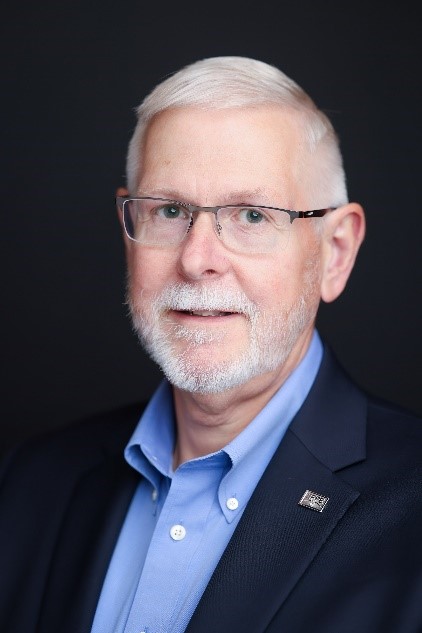 Brian J. Meacham, PhD, PE (CT&MA), EUR ING, CEng (UK), FIFireE, FSFPE, is the Managing Principal of Meacham Associates. He develops risk-informed performance-based solutions to complex building and infrastructure challenges, provides peer-review services, and undertakes building and fire regulatory system studies. He also conducts research in these areas as well as in sustainable and fire resilient built environments and fire safety technologies. Brian has authored more than 300 publications, given more than 300 presentations and has been awarded more than $4M in research funding. His prior positions include Associate Professor of Fire Protection Engineering at Worcester Polytechnic Institute, Principal at Arup, Technical Director and Research Director at SFPE, and fire safety engineer in Europe and the USA. Brian is Chair of the ICC Performance Code Committee, Chair of the NFPA Technical Committee on Fire Risk Assessment Methods, Immediate Past Chair of the International Association for Fire Safety Science (IAFSS), a Past President of the SFPE, and a past Chair of the Inter-jurisdictional Regulatory Collaboration Committee (IRCC). He is a licensed Professional Engineer in CT and MA, a Chartered Engineer and Fellow of the Institution of Fire Engineers (UK), a registered European Engineer (EUR ING), a Fellow of the SFPE, and a Fulbright Global Scholar.
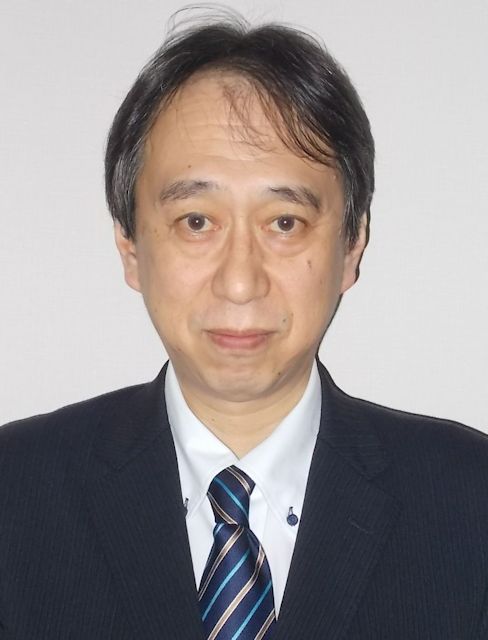 Kazunori Harada is a professor of architecture & architectural engineering at Kyoto University, Japan. He has a career in fire research for over 35 years. He has authored 14 IAFSS symposium papers. His expertise covers the fire resistance of construction materials, smoke movement and control, burning of combustibles in open and compartment, performance-based code & design of buildings and so on. He serves as a vice president of AOAFST, Asia-Oceania Association of Fire Science and Technology. He also serves as the Convenor of ISO/TC92/SC4 WG9, calculation methods for fire safety engineering (FSE), which develops calculation standards concerning FSE.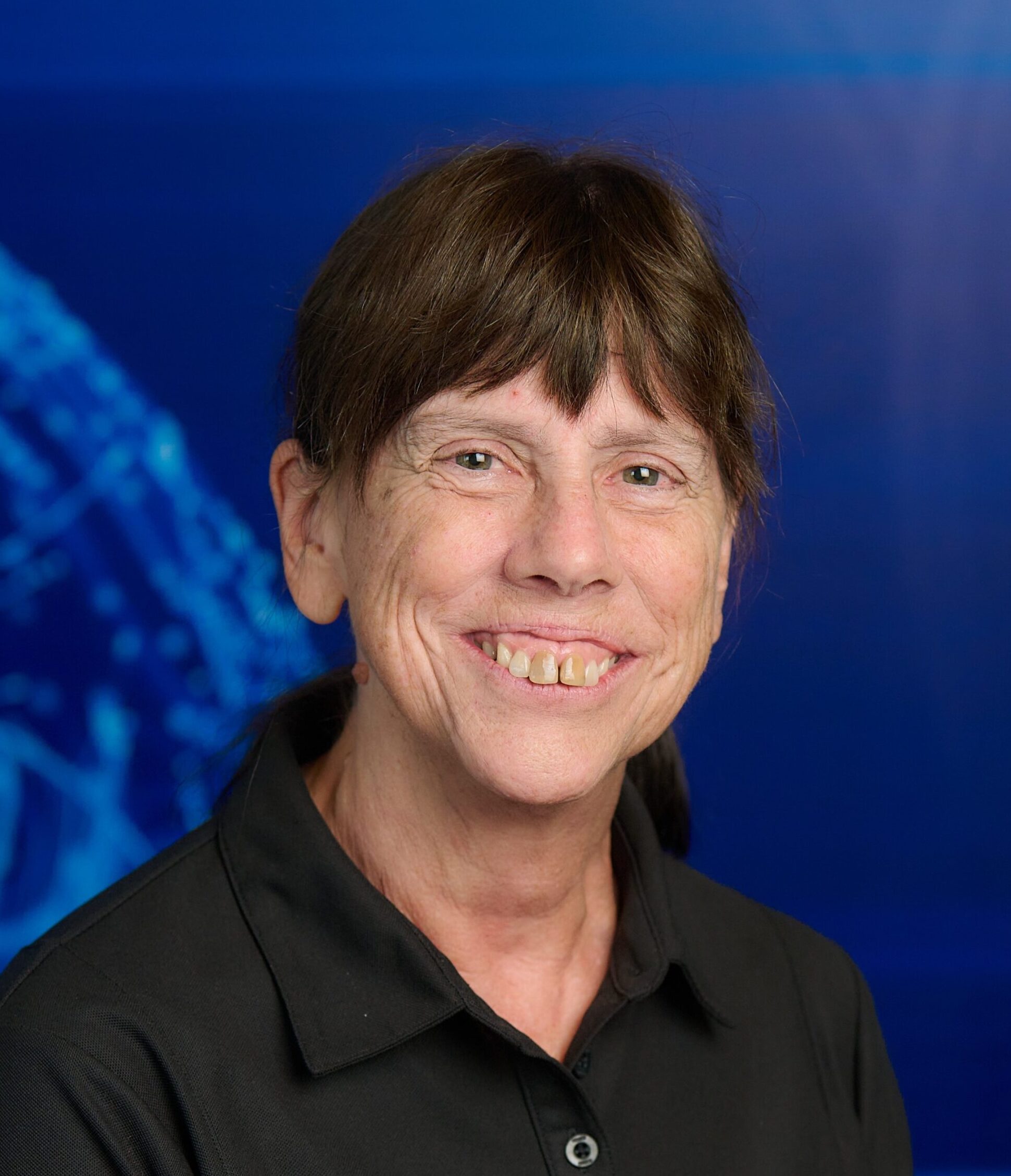
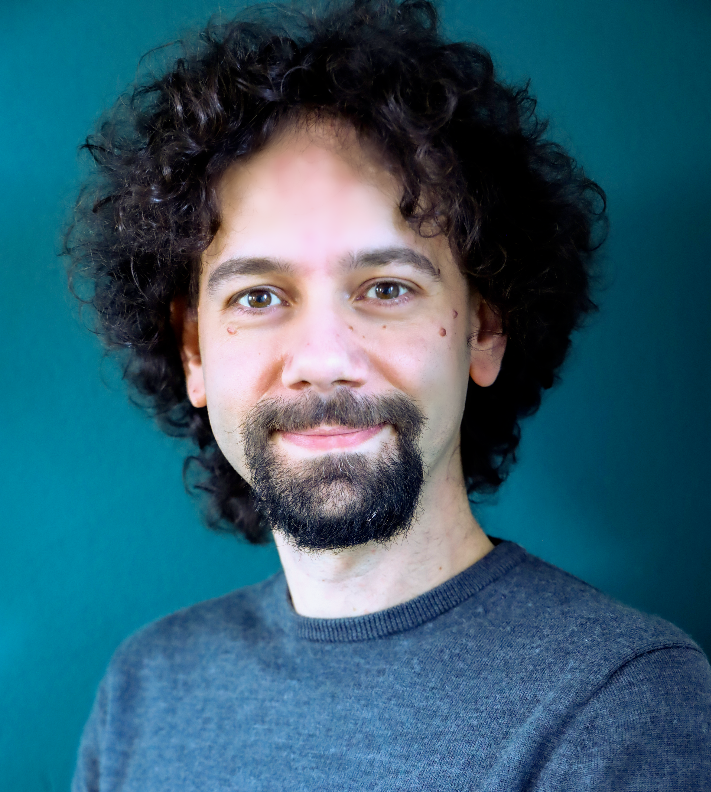 Enrico Ronchi is an Associate Professor at Lund University, Sweden. His research and education activities are focused on evacuation and human behaviour in case of building fires and wildfires. His work has been published in over 150 publications (including >90 peer-reviewed journal papers). He is currently Associate Editor for the journals Fire Technology and Safety Science and member of the editorial board of the Fire Safety Journal.
 Jennifer Wen is currently Professor of Energy Resilience in the School of Mechanical Engineering Sciences, University of Surrey as Professor. Previously, Jennifer held positions at Computational Dynamics Limited (founding vendor of STAR-CCM), British Gas plc, South Bank University, Kingston University London, and University of Warwick. She is a Fellow of the Institution of Mechanical Engineers and Vice-Chair for Research for the International Association for Fire Safety Science. Jennifer is also a member and sub-task leader of the European Safety Panel on Hydrogen Safety (EHSP) established by the Fuel Cell and Hydrogen Joint Undertaking (now Clean Hydrogen Partnership) of the European Commission. She is an Associate Editor for the Proceedings of the Combustion Institute.
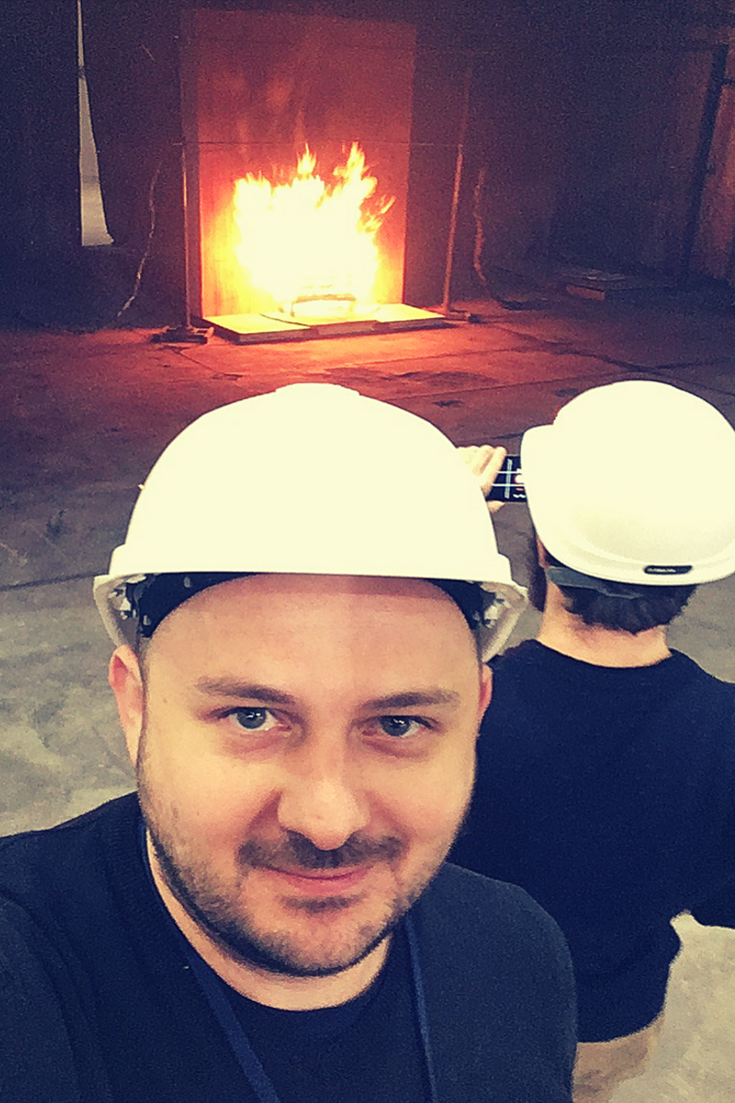 Dr Wojciech Węgrzyński is with ITB, that is the Polish Building Research Institute in Warsaw. He currently holds the position of the Deputy Head of Fire Research Department and the Professor of the Institute, and a Director at SFPE Europe. He is the Author of 40 peer-reviewed papers published in all of the primary FSE journals. His main area of interest is the fundamentals of compartment fire dynamics and standardized fire testing, and also: use of computational fluid dynamics in fire, wind and fire interaction and evaluation of the effects of the spread of smoke in buildings. His research is focused on the impact of the architectural context of the building on the smoke control performance, as well as finding solutions to make the smoke exhaust systems cheaper and more efficient. Member of the Sub-committee for Research of the IAFSS. 2018 NFPA Harry C. Bigglestone Award Recipient; 2019 Jack Watts Award Recipient; 2020 SFPE 5 Under 35 Award Recipient. Member of Editorial Board of ‘Fire Technology. Hosts a fire podcast at
  Dr. Shuna Ni is an Assistant Professor in the Department of Fire Protection Engineering at the University of Maryland, College Park. She received her Ph.D. degree at Texas A&M University in 2018 and her Master’s degree at Tongji University in 2013. Dr. Ni’s research focuses on fire forensics, structural fire engineering, WUI fire resilience, fire safety of tall mass-timber buildings and fire-related multiple hazards. Her research has been funded by National Science Foundation, National Institute of Justice, Fire Protection Research Foundation, University Transportation Centers under the Department of Transportation, Grand Challenges Grants Program at the University of Maryland and industrial partners.
 Brian Lattimer, Ph.D. is a Professor in Mechanical Engineering at Virginia Tech where he performs experimental and computational research on fire safety and disaster resilience. He has nearly 30 years of experience in fire related research. His research areas include material behavior in fires, fire dynamics, suppression agents, heat transfer from fires to surfaces, structural response during fire, and firefighting technology.
 Yu Wang is a professor at the State Key Laboratory of Fire Science, University of Science and Technology of China (USTC). He got joint Ph.D. from USTC and the City University of Hong Kong in 2016 and had working experience at the University of Edinburgh, Worcester Polytechnic Institute and National University of Singapore before returning to China in 2020. His primary research areas are high-rise building fire and large outdoor fire. Yu has published over 50 SCI journal papers, and is currently an Associate Editor in Fire Technology and Editorial Board Member in Fire Safety Journal. He initiated the first English fire course at USTC, Introduction of Fire Dynamics, reported by China News and People’s Daily Online (over 260,000 audiences). In recent years, he has received SFPE Global 5 Under 35 Award, Youth May Fourth Medal (Anhui Province), Young Faculty Career Award (USTCAF), and some Best Paper/Presentation/Poster/Image Awards in IAFSS or AOSFST.
 ROGAUME Thomas is an Professor at the University of Poitiers – Pprime Institute (UPR3346 CNRS), FRANCE.
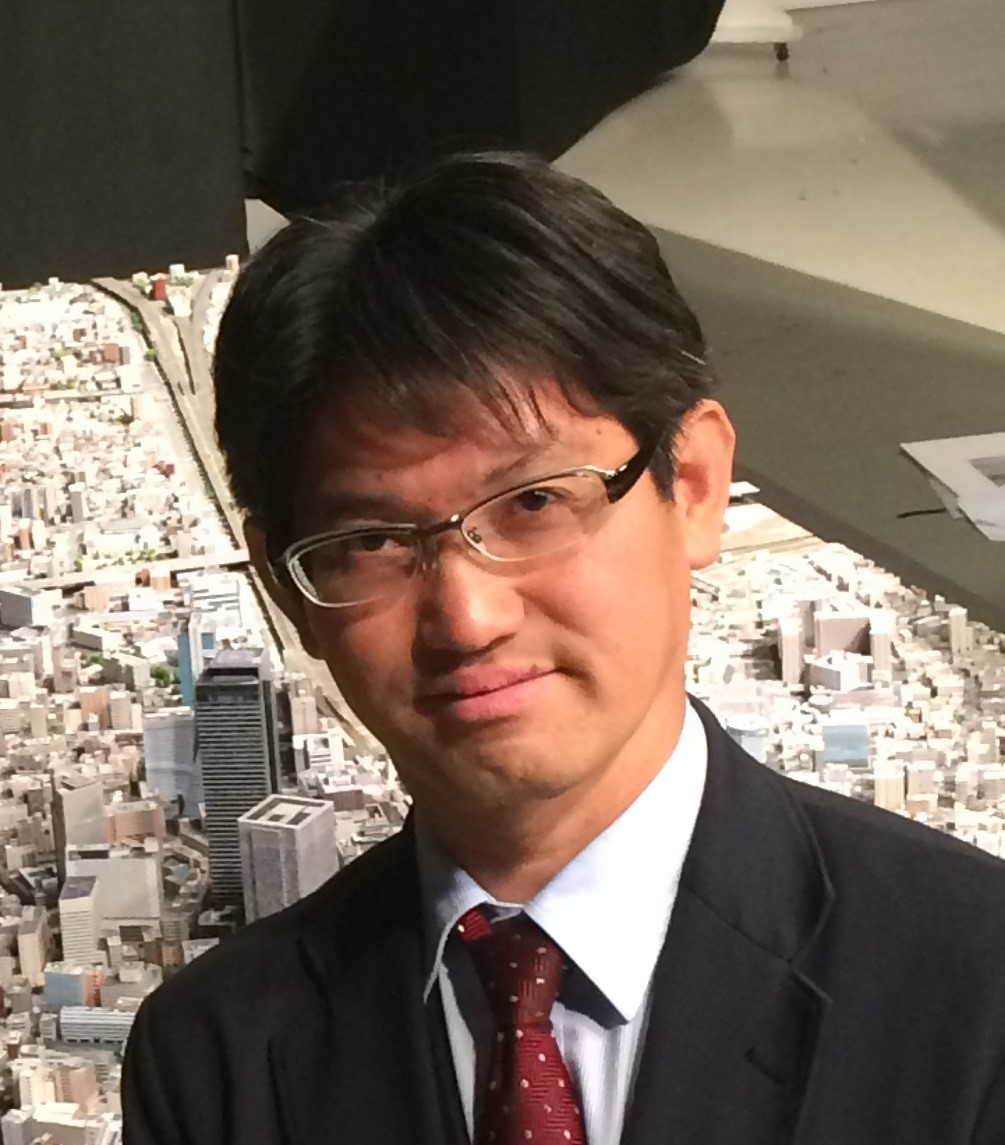 Prof. Yuji Nakamura is Full Professor in Department of Mechanical Engineering, Toyohashi University of Technology (TUT), appointed as Affiliate Full Professor in Center for Fire Science and Technology, Tokyo University of Science (since 2014). He currently serves the Head of Energy Conversion Laboratory and appointed as Department Chair since 2024. Prof. Nakamura has made professional service in Fire Science Community served as Management Committee of IAFSS during 2021-2023, worked as Co-chair of LOC in the most recent IAFSS symposium at Tsukuba, acting Associate Editor of Fire Technology since 2014 and board member of Fire Safety Journal since 2017.
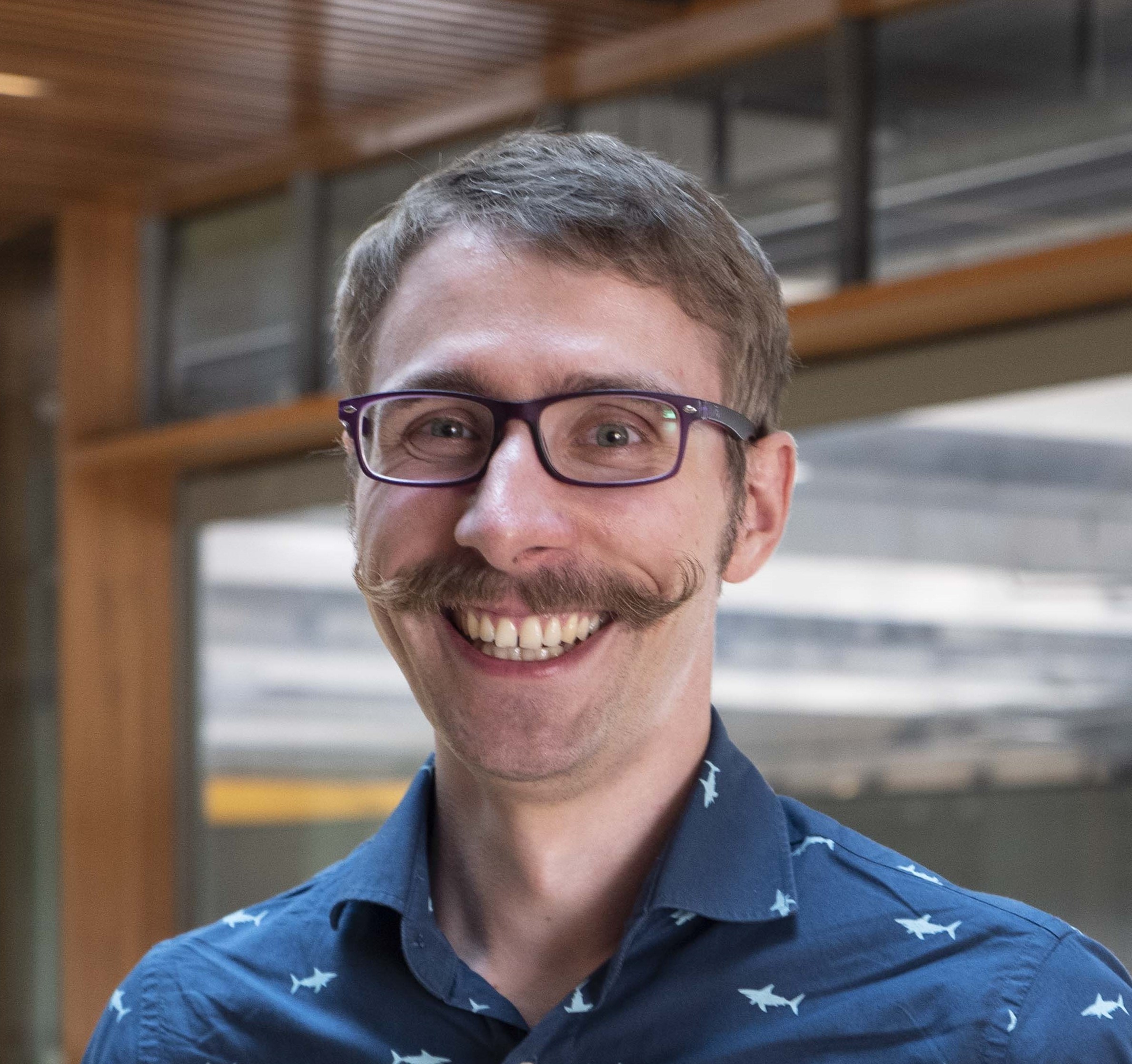 Dr Felix Wiesner is an Assistant Professor at the University of British Columbia and study the role of engineered timber in fire safety. I work in the Faculty of Forestry as part of the Wood Science department. My research focus has mostly been experimental, considering fire dynamics in timber compartments and the structural fire capacity of engineered timber products. In addition, I am interested in the performance of timber in exterior building or infrastructure setting. This closely interfaces with wildfire considerations for the wildland urban interface (WUI), especially when it comes to smouldering.
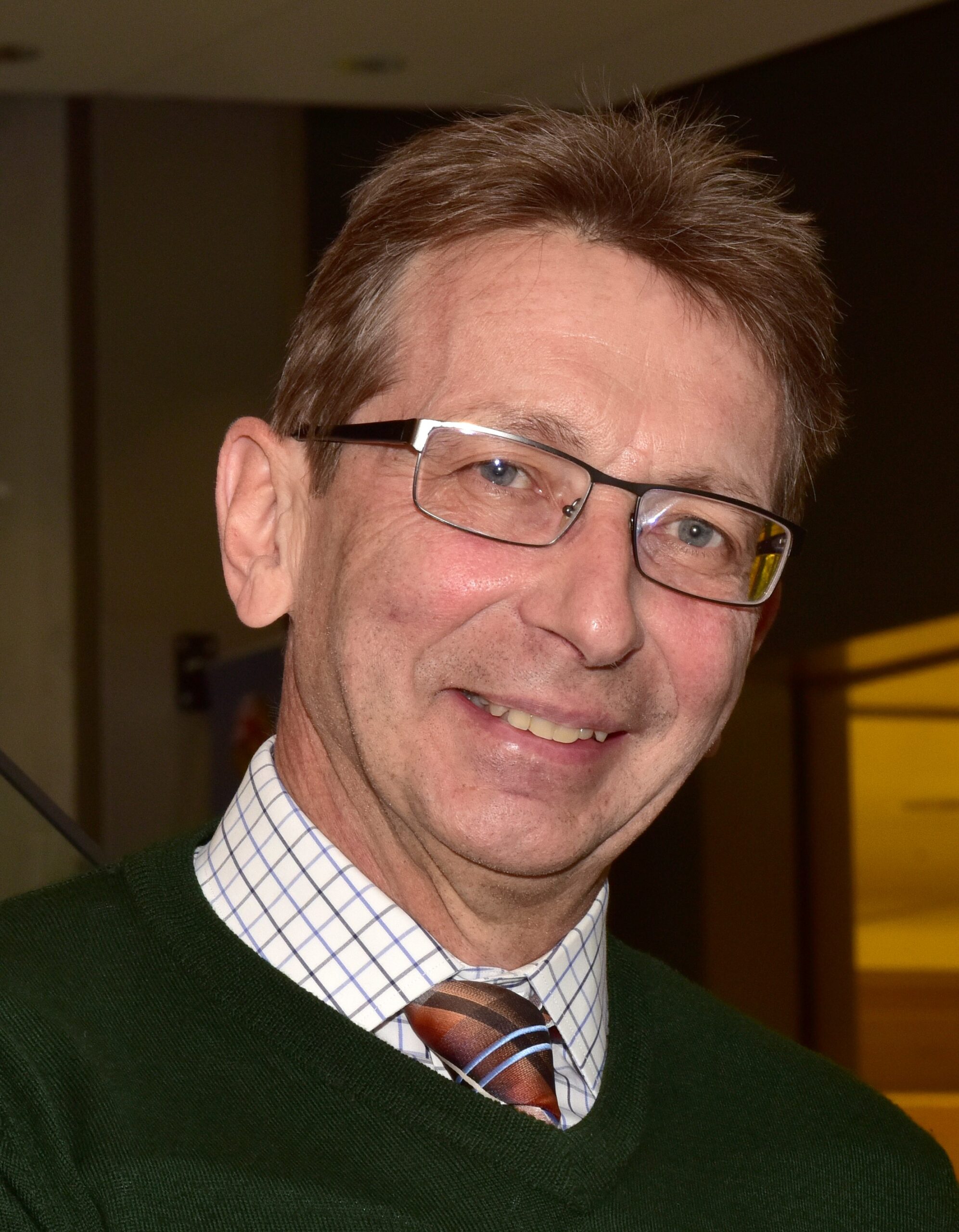 Arnaud Trouvé is Professor and Chair in the Department of Fire Protection Engineering at the University of Maryland in College Park, USA. He joined the Faculty in 2001 with a Ph.D. (1989) and Engineering Degree (1985) from École Centrale of Paris, France, and with previous experience as a combustion research engineer. Professor Trouvé’s research interests include fire modeling and Computational Fluid Dynamics (CFD); application of data assimilation to fire and combustion; and physical modeling of combustion- and fire-related phenomena, including compartment fires, wildland fires and explosions. Professor Trouvé is a Fellow of the Combustion Institute and the recipient of the 2017 FORUM Sjölin Award. He has served on the editorial boards of the Proceedings of the Combustion Institute, Progress in Energy and Combustion Science, Combustion and Flame, and Fire Technology, and is currently on the editorial boards of Combustion Theory and Modelling and the Fire Safety Journal. Professor Trouvé is also a past Chair of the US Eastern States Section of the Combustion Institute (ESSCI) and a past Member of the Executive Board of the International Association for Fire Safety Science (IAFSS). He is a co-Chair of a recent initiative endorsed by IAFSS and called the “IAFSS Working Group on Measurement and Computation of Fire Phenomena” (the MaCFP Working Group) and the past Chair of a new network of leading higher-education institutions and research laboratories in fire safety engineering called the International Fire Safety Consortium (IFSC).
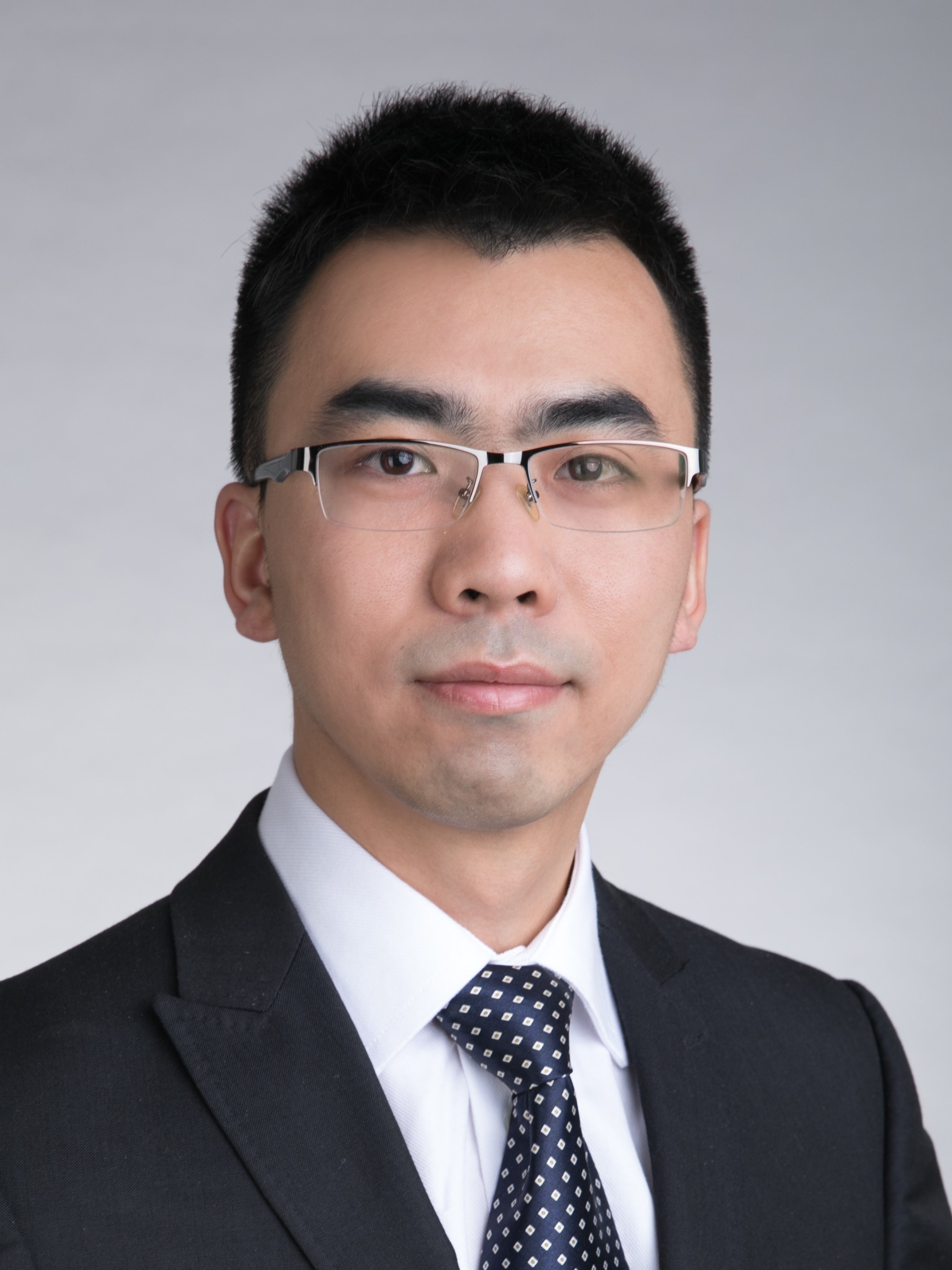 Dr Xinyan Huang is an Associate Professor at The Hong Kong Polytechnic University and the Deputy Director of the Research Centre for Fire Safety Engineering. He received his PhD from Imperial College London, MSc from UC San Diego, and BEng from Southeast University, and was a Postdoc at UC Berkeley. Dr Huang is a Combustion Scientist and a Fire Safety Engineer who has co-authored over 200 journal papers. He is an Associate Editor of Fire Technology and International Journal of Wildland Fire, an editorial member of J. Building Engineering, Fire Safety J. and Fire and Materials, a Chartered Building Services and Fire Engineer, a committee member for HK Fire Safety Code, and a Fire Expert for HK High Court. He receives the NSFC Excellent Young Scientists Fund, Bernard Lewis Fellowship and Sugden Best Paper Award from Combustion Institute, “5 under 35” and Bono Award from the Society of Fire Protection Engineers (SFPE).