
11th Symposium | Registration | Reviewer Instructions |Call for Papers | Paper Template | Call for Posters & Images | Paper Submission
Sunday Workshops: February 9, 2014
The Sunday workshops have become a tradition at the IAFSS symposium with each workshop arranged by 3 world leaders. Each workshop will include a panel of experts that will engage with the audience discussing and debating the pertinent issues in the topic.
Workshop Reports and Presentations
Wildfires and Climate Change
- Multi-Objective Design Workshop Report
- Presentation_1_David_Barber
- Presentation_2_Brian_Meacham
- Presentation_3_Margaret_McNamee
Education
- Information Coming Soon
Benchmarking / Data Sharing
Schedule and Summary
9.30 – 10.00 Workshop registration
10.00 – 12.00 Morning Workshops
- Wildfires and Climate Change
- Multi-Objective Fire Safety System Design – Economy, Sustainability and Aesthetics
- Education
12.00 – 13.00 lunch
13.00 – 15.00
Panel: Naian Liu (USTC, China), Mark A. Finney (Missoula Fire Sciences Laboratory, USA), Samuel L. Manzello (NIST-EL, USA), Hiroshi Hayasaka (Hokkaido University, Japan), Dominique Morvan (Aix-Marseille University, France) and Albert Simeoni (University of Edinburgh, UK)
Contents:
Research on wildfires covers different areas such as combustion physics and chemistry, fluid mechanics, heat transfer, forestry, ecology, geography, remote sensing and statistical mathematics. This workshop is an occasion to bring together researchers from many different fields that will attend the Conference. In wildfire research, most experimental and modelling efforts have addressed the quasi-steady surface fires with small or moderate burning intensities of fuels. However, extreme fire behaviors usually play essential roles in the acceleration of large wildfires, and spot fires and radiation ignition have been recognized to be the major fire spread modes in Wildland Urban Interface (WUI) fires. These processes involve significant interactions among heat transfer, fluid mechanics and combustion, leading to new challenges for wildfire researches. In wildfire modelling, numerical simulation is a growing area of research with models ranging from fully empirical to detailed CFD-based. However, the models still used in simulators by end-users (firefighters, foresters and scientists) are empirical or semi-empirical models derived some 40 years ago. In addition, in global scale, the wildfire trends under rapid climate change is an important topic for prediction of future wildfires, and the interactions between the fire and the atmosphere in various spatial and temporal scales remain to be explored.
The major goal of this workshop is to create an interactive discussion among experts from different domains and young researchers, in order to discuss the fundamental research needs for extreme fire behaviors and WUI fires, to clarify the needs in fire modelling, and to understand the effect of climate change on wildfire trends. Workshop participants will have the opportunity to share their viewpoints or thoughts on future research needs and knowledge gaps. A list of key action items essential for fire science community is expected to be summarized.
The discussions will be directed to focus on the following questions:
1) What are the scope, significance and, above all, physical problems of extreme fire behaviors?
2) What are the fundamental physical problems needed for WUI fires studies?
3) Which models are best suited for field application and how to test and validate the models to ensure they are able to deliver reasonable predictions?
4) What we can learn of the fire trends under effect of climate change from the recent wildfire incidents in boreal, temperate and tropical region? Recent wildfires in Alaska, California and Indonesia will be used for discussion.
Topics of this workshop:
1) Extreme fire behaviors in large forest fires
Experts: Naian Liu AND or Mark A. Finney
2) WUI fire problems
Experts: Samuel L. Manzello
3) (Future) Fire trends under rapid climate change
Experts: Hiroshi Hayasaka
4) Wildland fire modelling
Expert: Albert Simeoni AND Dominique Morvan
Multi-Objective Fire Safety System Design
Panel: David Barber (Arup, Australia), Margaret Simonson MacNamee (SP, Sweden) and Brian Meacham (WPI, USA)
Contents:
People use buildings every day, and want to do so comfortably in a building that is attractive and inviting. Sustainability has immediate and lasting impacts, and lifecycle design of a building should consider impacts on the environment while serving needs of the occupants. Fire is a rare event, but consequences can be considerable if not properly mitigated, and in some cases, mitigation may be contrary to openness, sustainability and other such objectives. This set of widely varied and sometimes competing objectives raises several questions for building fire safety design.
- Do we need a comprehensive, holistic and integrated ‘building performance model’ for building performance analysis and design across multiple objectives?
- If so, which discipline should take the lead, how do we identify and engage the ‘right’ stakeholders to address the breadth of needs, and what must be done to develop and implement such a model?
- Are all societal objectives of equal weight, and if not, how should they be weighted?
- How far should we be going in trying to ‘assure’ safe buildings, given the low frequency of fires, relative to the daily use and sustainability impact objectives of buildings?
- Would we approach future building fire safety analysis and design differently than we do today if we have a holistic, risk-informed and performance-based approach?
- What is an appropriate role for benefit-cost analysis, and how do we measure associated benefits and costs?
These and related issues will be discussed and debated in this workshop. To open discussion, perspectives will be provided by leaders in fire science and engineering, building design and economic impact of good building design on society, focusing on how they think appropriate balance between sustainability, aesthetics, safety and economy might be achieved. Participants will then break out into groups to develop action items needed to move us towards a more holistic, multi-objective analysis and design framework, and the role the fire science and engineering community can play in the process. We will then come together and produce a list of key action items to be addressed within our community.
Draft Schedule:
|
10:00 |
Welcome and introduction |
|
|
|
|
10:05 |
Good building design means good looking, well-functioning and sustainable buildings (discuss identifying and balancing user objectives as stated for designers, e.g. sustainable rating systems) |
|
10:20 |
Fire safety and sustainability (discussion of fire safety objectives, fire challenges with sustainable materials and how good fire safety delivers sustainability) |
|
10:35 |
Buildings are not risk-free – balancing sustainability with fire and health effects (discussion of fire retardant toxicity issues, health issues, risks and controls, environmental impact assessment tools: LCA/LCC/CBA) |
|
10:50 |
Group discussions Discussion and recommendations on four topic areas (economics/cost, good-looking/well-performing buildings, fire safety is sustainable, risk-cost-benefit of fire retardants and fire safety, all in the context of balancing fire safety with other objectives) |
|
11:30 |
Break-out groups report |
|
11:45 |
Key outcomes & summary comments |
Panel: Patrick van Hees (Lund University, Sweden), Jose Torero (University of Queensland, Australia) and Kathy Notarianni (WPI, USA)
Contents:
Fire safety education is today performed both at undergraduate, graduate and postgraduate level (BSc, MSc and PhD). Different programmes exist all over the whole world with different success. The goal of the workshop is to obtain feedback and input for a position paper on education in fire safety through a discussion forum. The outcome of the workshop will be a first layout for such a paper. Discussion topics for all three types of education will be:
- Stakeholders in the different regions
- Typical challenges.
- What is lacking in today’s curriculum for each level of education
- Market situation
- Funding schemes
- Priorities during the next decade.
The agenda for the workshop is:
- Introduction and goal of the workshop (10 min)
- Discussion forum in three groups (BSc, MSc and PhD education). Each discussion forum will be led by one of the three panel members After 30 minutes the participants move to the next group (3×30 minutes)
- Summary of each education level by each of the panel members (3×5 minutes)
- Concluding remarks and follow up initiatives (5 minutes)
The outcome of the workshop will be put on the IAFSS website under the educational committee. The educational committee of IAFSS will then further work with the paper in cooperation with the panel members, participants and IAFSS members.
Panel: Michael Spearpoint (University of Canterbury, New Zealand), Assaad Masri (University of Sydney, Australia), Anthony Hamins (NIST, USA), Sergey Dorofeev (FM Global, USA), Kevin McGrattan (NIST, USA), Ed Galea (University of Greenwich, UK)
Report: Benchmarking workshop report (PDF)
Contents:
A long term goal of fire safety scientists is to generate reliable numerical tools that enable engineers to design fire-safe systems. A key pre-requisite for achieving this objective is to build a basic understanding of key processes and to generate sub-models that form building blocks for numerical these tools. Well-thought-out experiments that address relevant aspects of fires need to be developed; and extensive data collected for these experiments to form benchmarks for model benchmarking and future developments. With a focus on these data sets, modellers and experimentalists must be brought together to enhance the models and move the boundaries of science to the next stage of development.
The Workshop aims to (i) survey existing experiments and data sets related to fires, (ii) decide on potential research sub-topics and experiments which could form the focus of future workshops, and (iii) plan for the development of comprehensive data sets and numerical approaches that could best address these topics.
Draft Schedule:
|
13:00 |
Welcome |
|
13:05 |
Dieter Brein (chair of ISO 16730) – “Verification and validation procedures for calculation methods in FSE. Assessment of strengths, weaknesses and limitations. Status and outlook to future needs and activities” |
|
13:15 |
What experiments do modelers currently use for benchmarking?
|
|
14:00 |
Discussion – What are strengths and weaknesses of the experiments currently used by modellers? What experiments are also available that might be useful for benchmarking. What should future experiments look like in terms of what they need to achieve, what they need to record etc. |
|
14:50 |
Future plans |
Evacuation Modeling – Issues and Challenges
Panel: Arturo Cuesta (University of Cantabria, Spain), Rita Fahy (NFPA, USA), Ed Galea (University of Greenwich, UK), Daniel Nilsson (Lund University, Sweden), Weiguo Song (USTC, China).
Contents:
Evacuation in fire emergencies is a complex procedure and a wide range of tools are available to provide estimates of various evacuation parameters, from simple hand calculations to sophisticated computer simulation models. The uncertainties in evacuation data must be dealt with by both model developers and model users. There exists a demand to expand the use of models to the simulation of complicated evacuations, such as those involving rescuers.
The workshop will include short presentations on several broad themes, which will then be thoroughly discussed and debated by the attendees and the panel. The themes include:
• How do we build and validate evacuation models, as they include increasingly complex behaviors and choices?
• How and when should a model be used?
• How do we deal with uncertainty in data?
• What should be the focus of future model development, and what are the challenges?
For more information on Sunday Workshops please contact Prof. Bart Merci, e-mail: [email protected]
 Dr Natalia Flores-Quiroz is a researcher with experience in fire safety engineering. She worked for five years as a fire safety engineer in the mining industry before joining academia. She holds a MSc in fire safety from Ghent University, and her PhD focused on Fire investigations in Informal Settlements. Currently she is a lecturer at Stellenbosch University, where her main research areas are reconstruction of incidents in low-income settlements (i.e., informal settlements, refugee camps) and wildland urban interface (WUI) fires.
 Bronwyn Forrest is a 3rd year PhD student at the University of Waterloo, conducting multi-disciplinary research investigating human physiological response to fire exposure. Bronwyn graduated in 2017 with a BSc. Honours Kinesiology and in 2020 with a MASc. Mechanical & Mechatronics Engineering (Heat Release Rate in Ventilation-Limited Furniture Fires) before merging her two degrees in her PhD research. As a senior graduate student in the Fire Research Group, Bronwyn spear-heads large-scale fire experiments, mentors junior graduate and undergraduate students, and has recently set-up a new ‘human exposure lab’ at the Fire Research Facility where she leads new research in that area. Since her induction into the world of fire science, Bronwyn has grown more and more passionate about the multi-faceted nature of emerging fire safety challenges. Through innovative research, she hopes to make meaningful contributions that help shape changes to fire safety over the course of her career.
 Dr. (HDR) Eric Guillaume has worked in fire sciences since 1998. He formerly led the fire behaviour department of SNCF (French Railway), then changed company in 2005 to join LNE (The French National Laboratory for Testing and Metrology) as head of Fire safety studies department, and later as head of research for whole testing activities of LNE. Nowadays (since 2015), he works for Efectis France, first as Technical Director and more recently as General Manager of the company, leading one of the most important fire testing and fire safety engineering companies in Europe (With approx. 180 people and 28 M€ turnover)
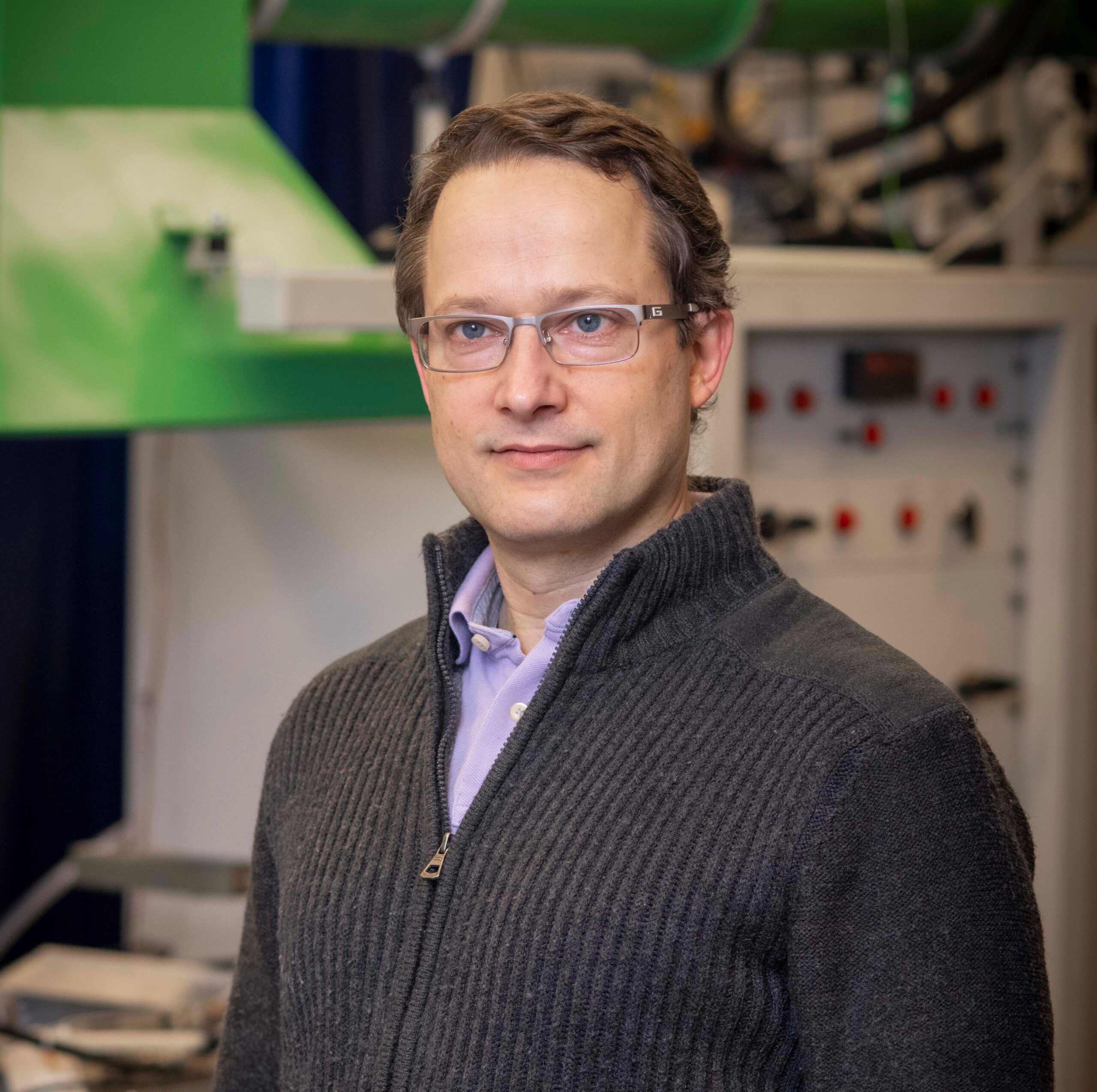 Dr. Albert Simeoni is Professor and the Department Head of Fire Protection Engineering at Worcester Polytechnic Institute (WPI). He is the WPI site director of the Wildfire Interdisciplinary Research Center (WIRC), an Industry-University Cooperative Research Center (IUCRC) of the National Science Foundation (NSF) in the United States. Dr. Simeoni has served IAFSS by being chair or co-chair of the Wildland Fire track (2014, 2020 and 2023), Co-chair of the Awards Committee for the Best Thesis Awards (2023), Associate-Editor of Fire Safety Journal (2010-2015), member of the Editorial Board of Fire Safety Journal (since 2016), and Contributing Editor of Fire Safety Science News (since 2011).
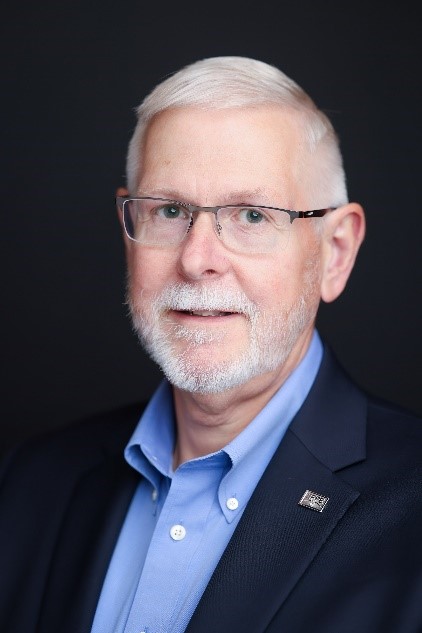 Brian J. Meacham, PhD, PE (CT&MA), EUR ING, CEng (UK), FIFireE, FSFPE, is the Managing Principal of Meacham Associates. He develops risk-informed performance-based solutions to complex building and infrastructure challenges, provides peer-review services, and undertakes building and fire regulatory system studies. He also conducts research in these areas as well as in sustainable and fire resilient built environments and fire safety technologies. Brian has authored more than 300 publications, given more than 300 presentations and has been awarded more than $4M in research funding. His prior positions include Associate Professor of Fire Protection Engineering at Worcester Polytechnic Institute, Principal at Arup, Technical Director and Research Director at SFPE, and fire safety engineer in Europe and the USA. Brian is Chair of the ICC Performance Code Committee, Chair of the NFPA Technical Committee on Fire Risk Assessment Methods, Immediate Past Chair of the International Association for Fire Safety Science (IAFSS), a Past President of the SFPE, and a past Chair of the Inter-jurisdictional Regulatory Collaboration Committee (IRCC). He is a licensed Professional Engineer in CT and MA, a Chartered Engineer and Fellow of the Institution of Fire Engineers (UK), a registered European Engineer (EUR ING), a Fellow of the SFPE, and a Fulbright Global Scholar.
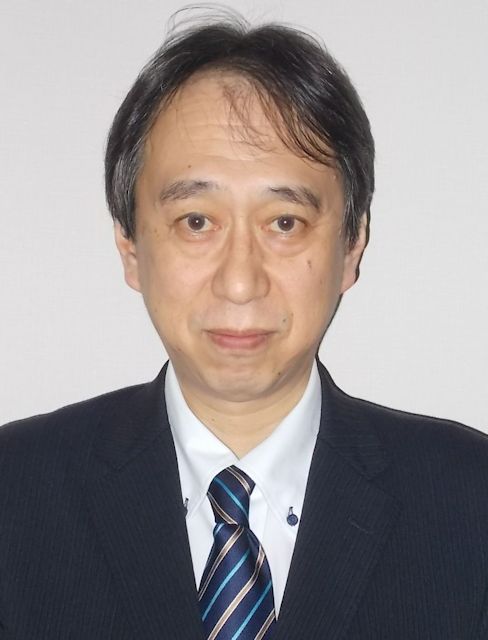 Kazunori Harada is a professor of architecture & architectural engineering at Kyoto University, Japan. He has a career in fire research for over 35 years. He has authored 14 IAFSS symposium papers. His expertise covers the fire resistance of construction materials, smoke movement and control, burning of combustibles in open and compartment, performance-based code & design of buildings and so on. He serves as a vice president of AOAFST, Asia-Oceania Association of Fire Science and Technology. He also serves as the Convenor of ISO/TC92/SC4 WG9, calculation methods for fire safety engineering (FSE), which develops calculation standards concerning FSE.
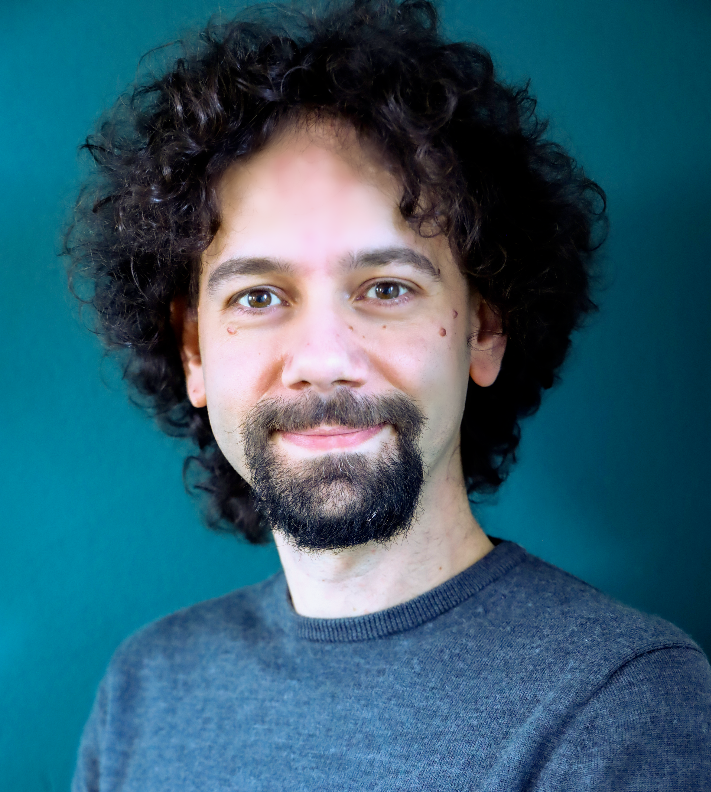 Enrico Ronchi is an Associate Professor at Lund University, Sweden. His research and education activities are focused on evacuation and human behaviour in case of building fires and wildfires. His work has been published in over 150 publications (including >90 peer-reviewed journal papers). He is currently Associate Editor for the journals Fire Technology and Safety Science and member of the editorial board of the Fire Safety Journal.
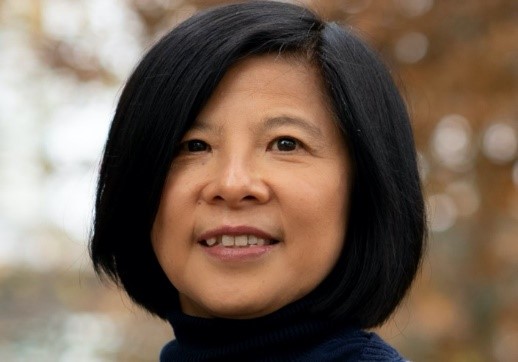 Jennifer Wen is currently Professor of Energy Resilience in the School of Mechanical Engineering Sciences, University of Surrey as Professor. Previously, Jennifer held positions at Computational Dynamics Limited (founding vendor of STAR-CCM), British Gas plc, South Bank University, Kingston University London, and University of Warwick. She is a Fellow of the Institution of Mechanical Engineers and Vice-Chair for Research for the International Association for Fire Safety Science. Jennifer is also a member and sub-task leader of the European Safety Panel on Hydrogen Safety (EHSP) established by the Fuel Cell and Hydrogen Joint Undertaking (now Clean Hydrogen Partnership) of the European Commission. She is an Associate Editor for the Proceedings of the Combustion Institute.
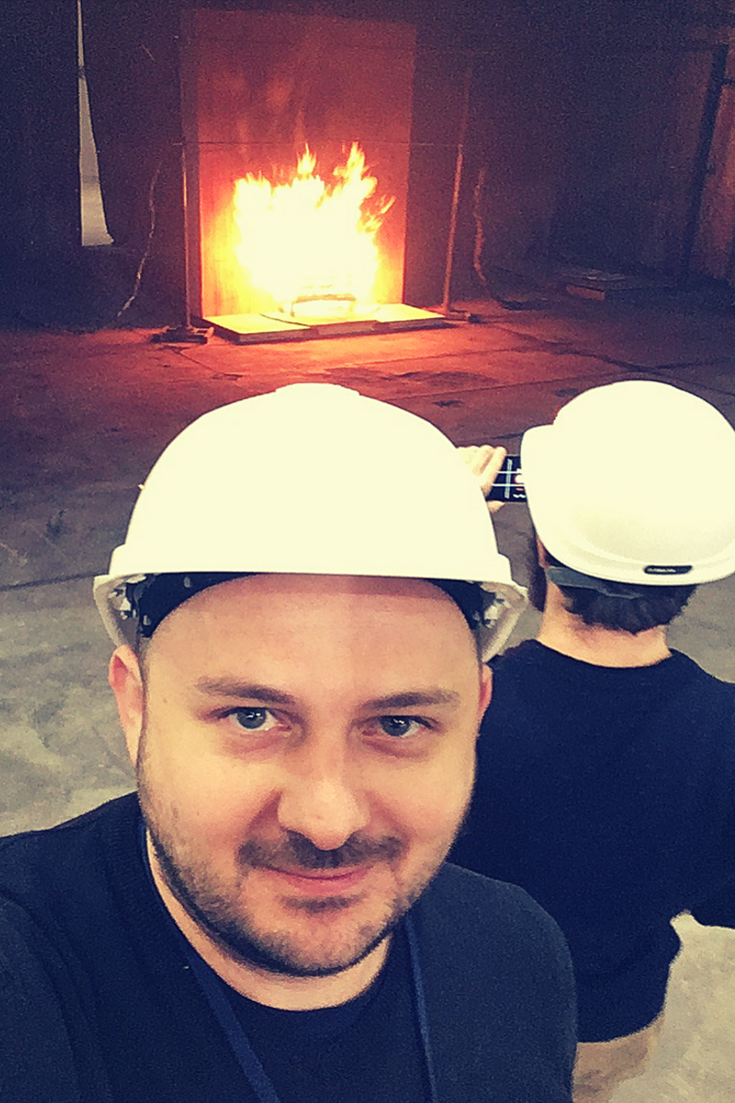 Dr Wojciech Węgrzyński is with ITB, that is the Polish Building Research Institute in Warsaw. He currently holds the position of the Deputy Head of Fire Research Department and the Professor of the Institute, and a Director at SFPE Europe. He is the Author of 40 peer-reviewed papers published in all of the primary FSE journals. His main area of interest is the fundamentals of compartment fire dynamics and standardized fire testing, and also: use of computational fluid dynamics in fire, wind and fire interaction and evaluation of the effects of the spread of smoke in buildings. His research is focused on the impact of the architectural context of the building on the smoke control performance, as well as finding solutions to make the smoke exhaust systems cheaper and more efficient. Member of the Sub-committee for Research of the IAFSS. 2018 NFPA Harry C. Bigglestone Award Recipient; 2019 Jack Watts Award Recipient; 2020 SFPE 5 Under 35 Award Recipient. Member of Editorial Board of ‘Fire Technology. Hosts a fire podcast at
  Dr. Shuna Ni is an Assistant Professor in the Department of Fire Protection Engineering at the University of Maryland, College Park. She received her Ph.D. degree at Texas A&M University in 2018 and her Master’s degree at Tongji University in 2013. Dr. Ni’s research focuses on fire forensics, structural fire engineering, WUI fire resilience, fire safety of tall mass-timber buildings and fire-related multiple hazards. Her research has been funded by National Science Foundation, National Institute of Justice, Fire Protection Research Foundation, University Transportation Centers under the Department of Transportation, Grand Challenges Grants Program at the University of Maryland and industrial partners.
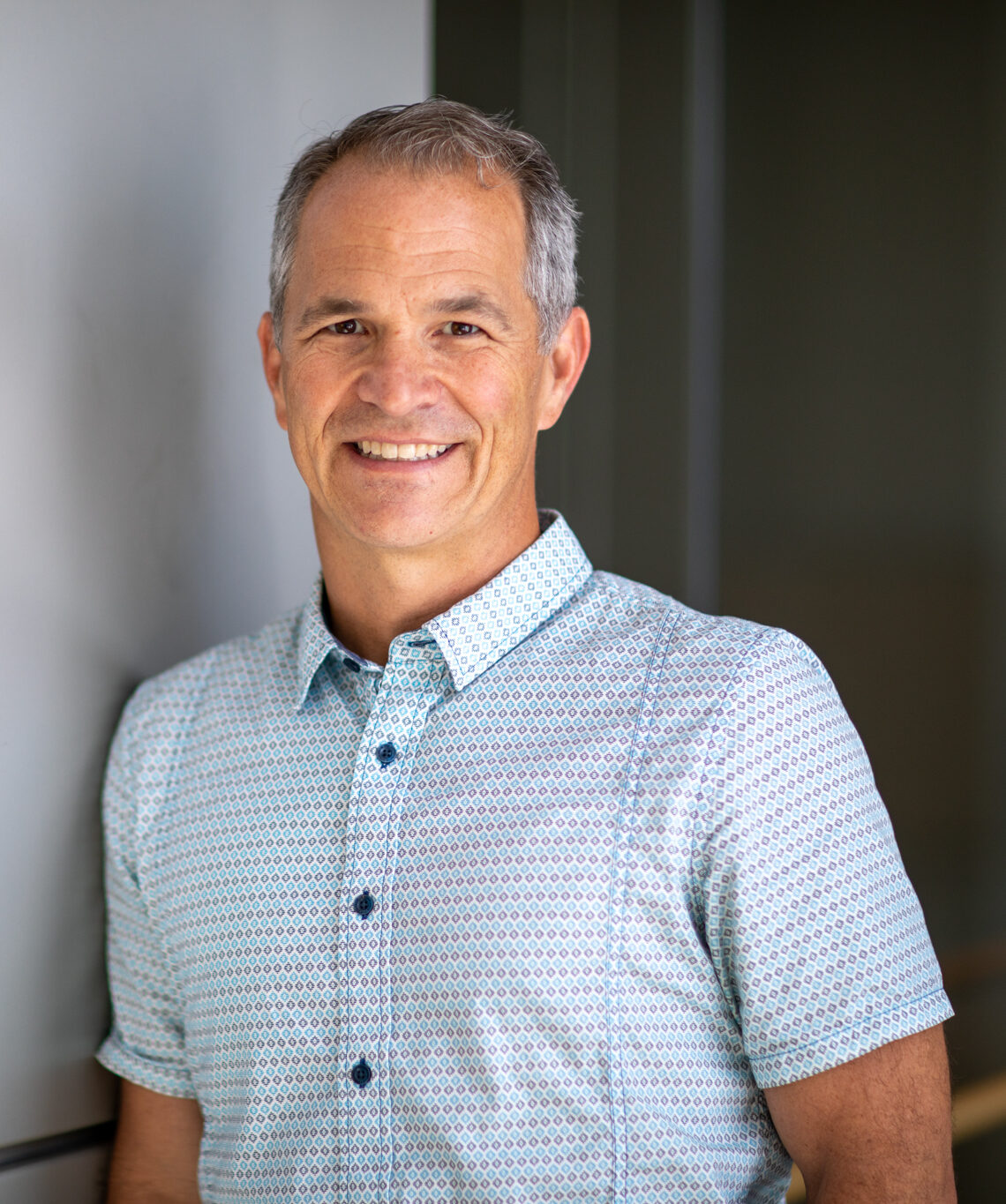 Brian Lattimer, Ph.D. is a Professor in Mechanical Engineering at Virginia Tech where he performs experimental and computational research on fire safety and disaster resilience. He has nearly 30 years of experience in fire related research. His research areas include material behavior in fires, fire dynamics, suppression agents, heat transfer from fires to surfaces, structural response during fire, and firefighting technology.
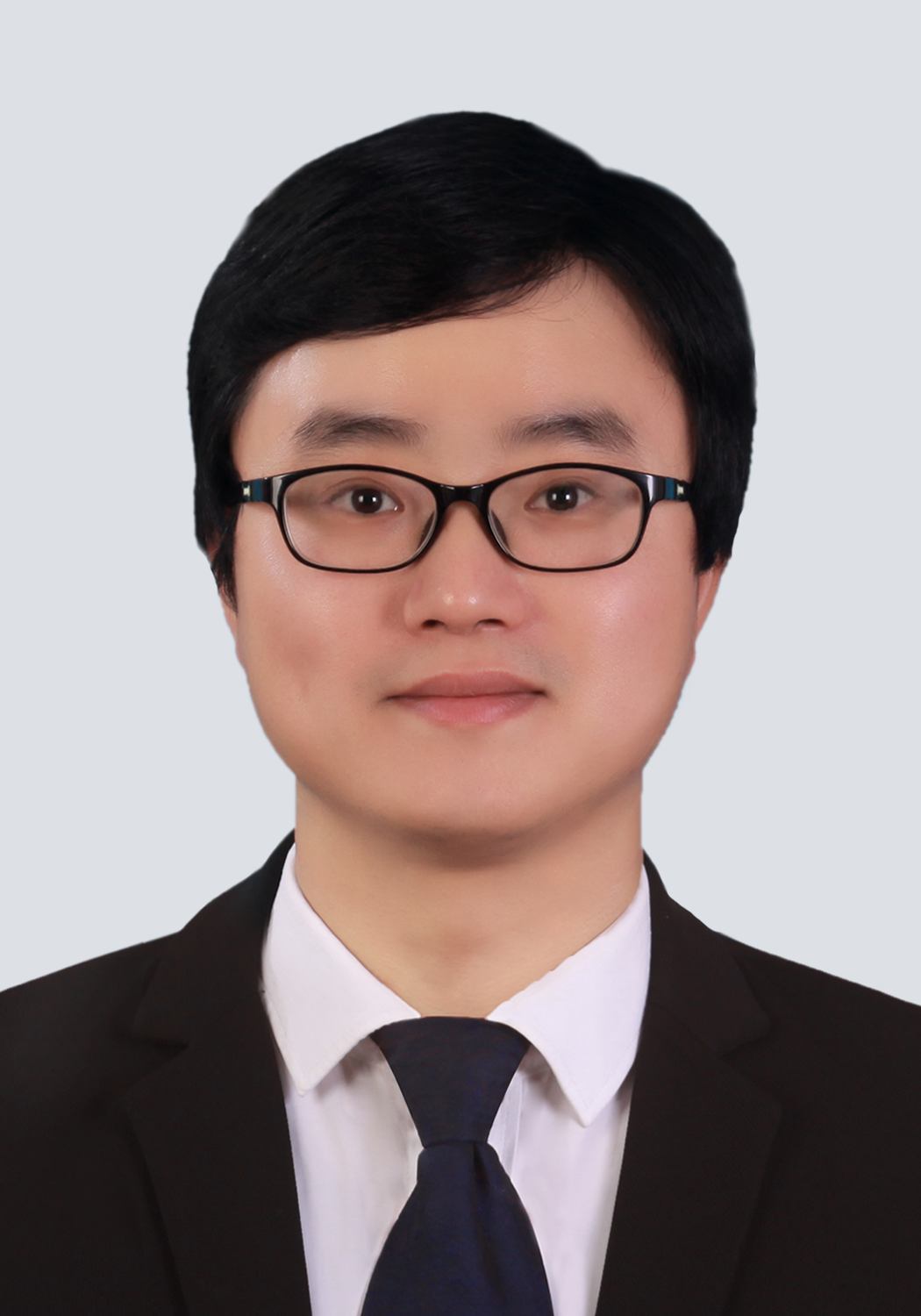 Yu Wang is a professor at the State Key Laboratory of Fire Science, University of Science and Technology of China (USTC). He got joint Ph.D. from USTC and the City University of Hong Kong in 2016 and had working experience at the University of Edinburgh, Worcester Polytechnic Institute and National University of Singapore before returning to China in 2020. His primary research areas are high-rise building fire and large outdoor fire. Yu has published over 50 SCI journal papers, and is currently an Associate Editor in Fire Technology and Editorial Board Member in Fire Safety Journal. He initiated the first English fire course at USTC, Introduction of Fire Dynamics, reported by China News and People’s Daily Online (over 260,000 audiences). In recent years, he has received SFPE Global 5 Under 35 Award, Youth May Fourth Medal (Anhui Province), Young Faculty Career Award (USTCAF), and some Best Paper/Presentation/Poster/Image Awards in IAFSS or AOSFST.
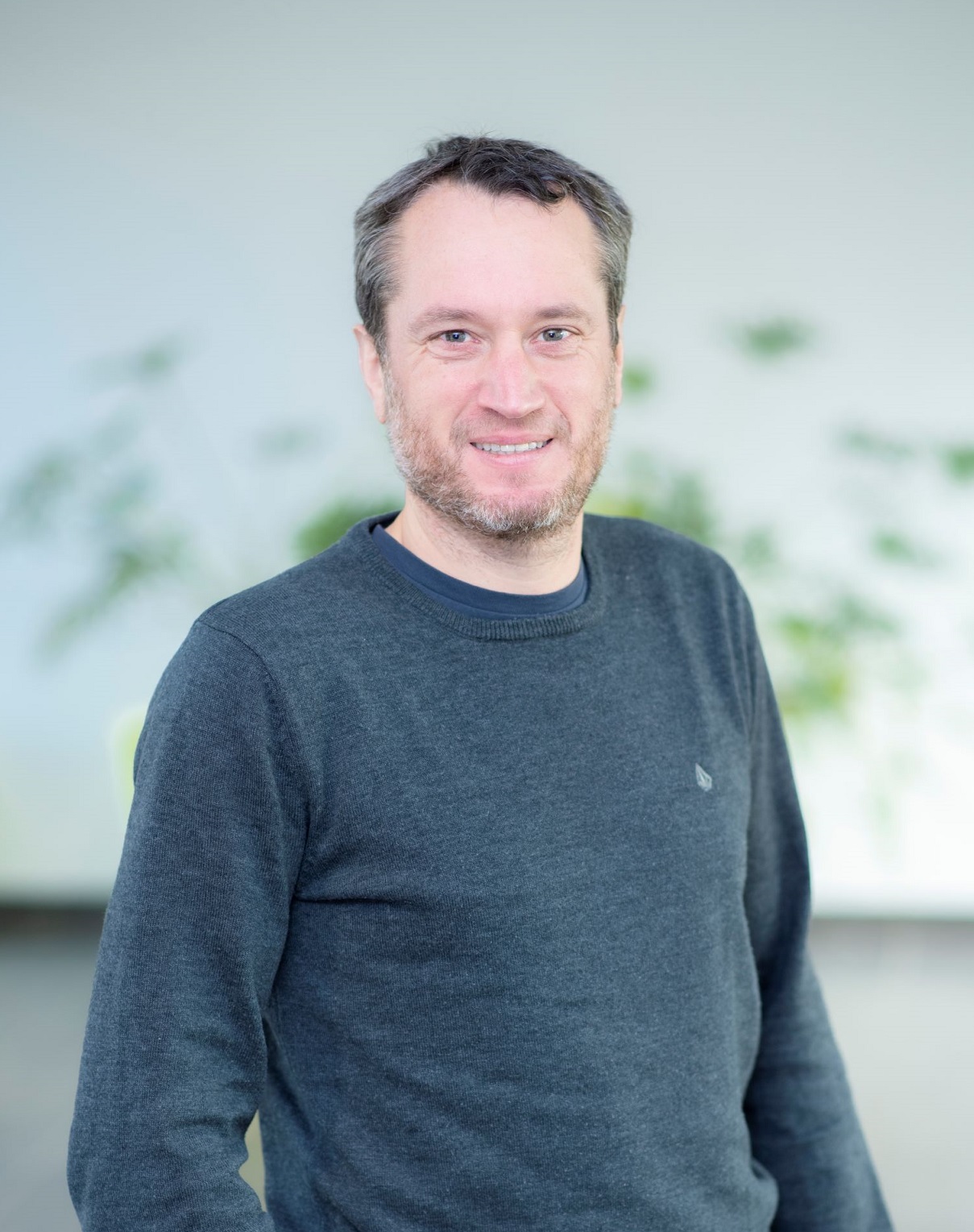 ROGAUME Thomas is an Professor at the University of Poitiers – Pprime Institute (UPR3346 CNRS), FRANCE.
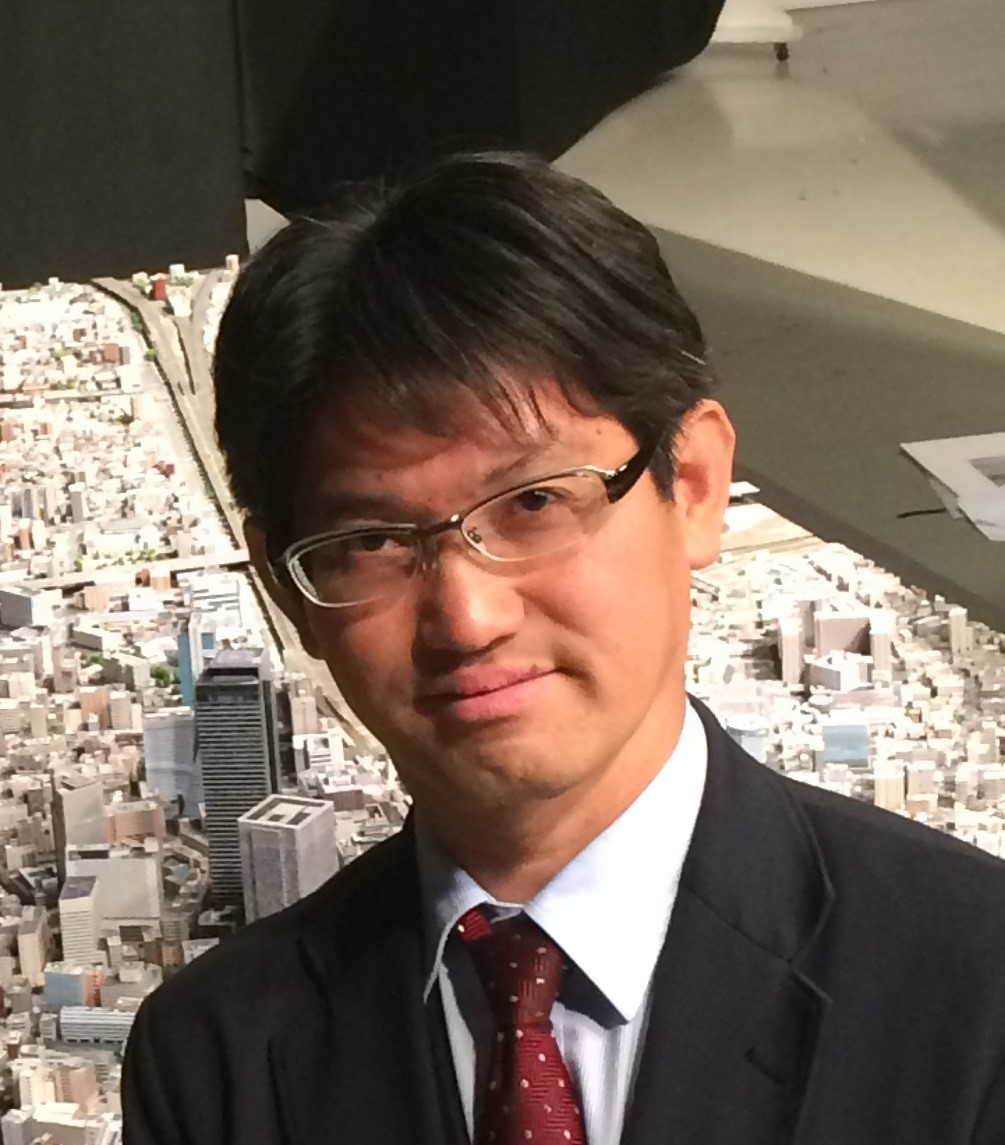 Prof. Yuji Nakamura is Full Professor in Department of Mechanical Engineering, Toyohashi University of Technology (TUT), appointed as Affiliate Full Professor in Center for Fire Science and Technology, Tokyo University of Science (since 2014). He currently serves the Head of Energy Conversion Laboratory and appointed as Department Chair since 2024. Prof. Nakamura has made professional service in Fire Science Community served as Management Committee of IAFSS during 2021-2023, worked as Co-chair of LOC in the most recent IAFSS symposium at Tsukuba, acting Associate Editor of Fire Technology since 2014 and board member of Fire Safety Journal since 2017.
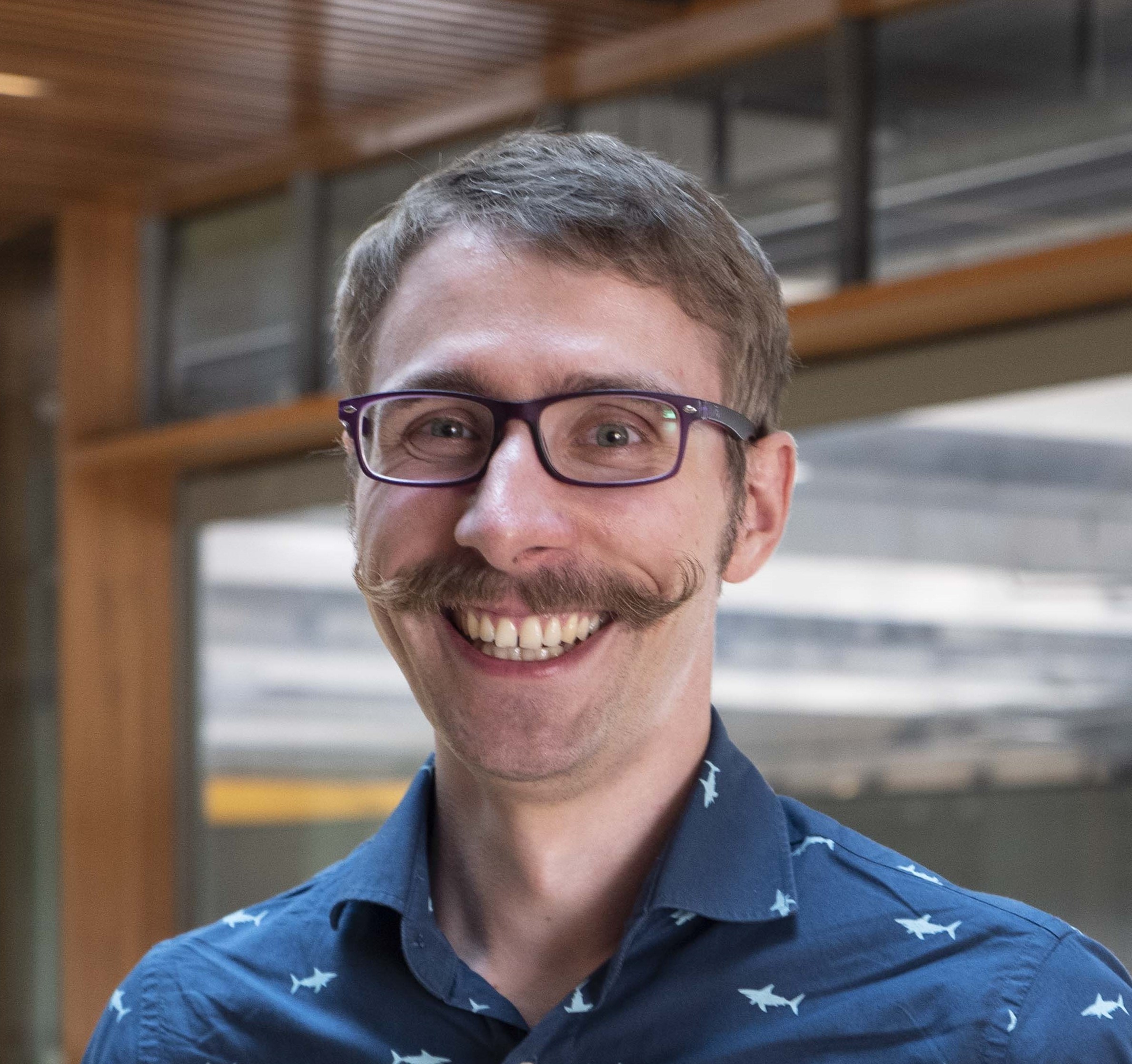 Dr Felix Wiesner is an Assistant Professor at the University of British Columbia and study the role of engineered timber in fire safety. I work in the Faculty of Forestry as part of the Wood Science department. My research focus has mostly been experimental, considering fire dynamics in timber compartments and the structural fire capacity of engineered timber products. In addition, I am interested in the performance of timber in exterior building or infrastructure setting. This closely interfaces with wildfire considerations for the wildland urban interface (WUI), especially when it comes to smouldering.
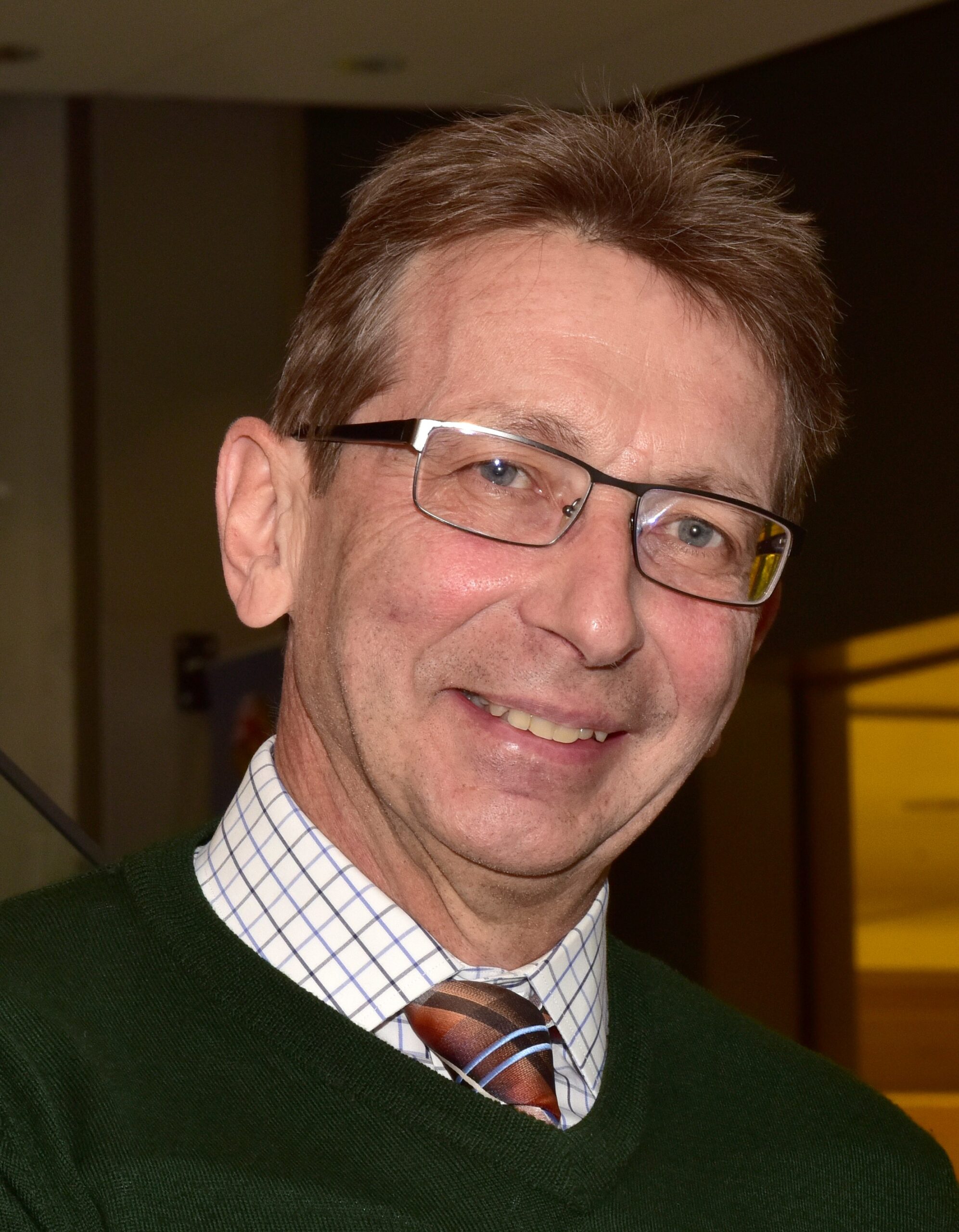 Arnaud Trouvé is Professor and Chair in the Department of Fire Protection Engineering at the University of Maryland in College Park, USA. He joined the Faculty in 2001 with a Ph.D. (1989) and Engineering Degree (1985) from École Centrale of Paris, France, and with previous experience as a combustion research engineer. Professor Trouvé’s research interests include fire modeling and Computational Fluid Dynamics (CFD); application of data assimilation to fire and combustion; and physical modeling of combustion- and fire-related phenomena, including compartment fires, wildland fires and explosions. Professor Trouvé is a Fellow of the Combustion Institute and the recipient of the 2017 FORUM Sjölin Award. He has served on the editorial boards of the Proceedings of the Combustion Institute, Progress in Energy and Combustion Science, Combustion and Flame, and Fire Technology, and is currently on the editorial boards of Combustion Theory and Modelling and the Fire Safety Journal. Professor Trouvé is also a past Chair of the US Eastern States Section of the Combustion Institute (ESSCI) and a past Member of the Executive Board of the International Association for Fire Safety Science (IAFSS). He is a co-Chair of a recent initiative endorsed by IAFSS and called the “IAFSS Working Group on Measurement and Computation of Fire Phenomena” (the MaCFP Working Group) and the past Chair of a new network of leading higher-education institutions and research laboratories in fire safety engineering called the International Fire Safety Consortium (IFSC).
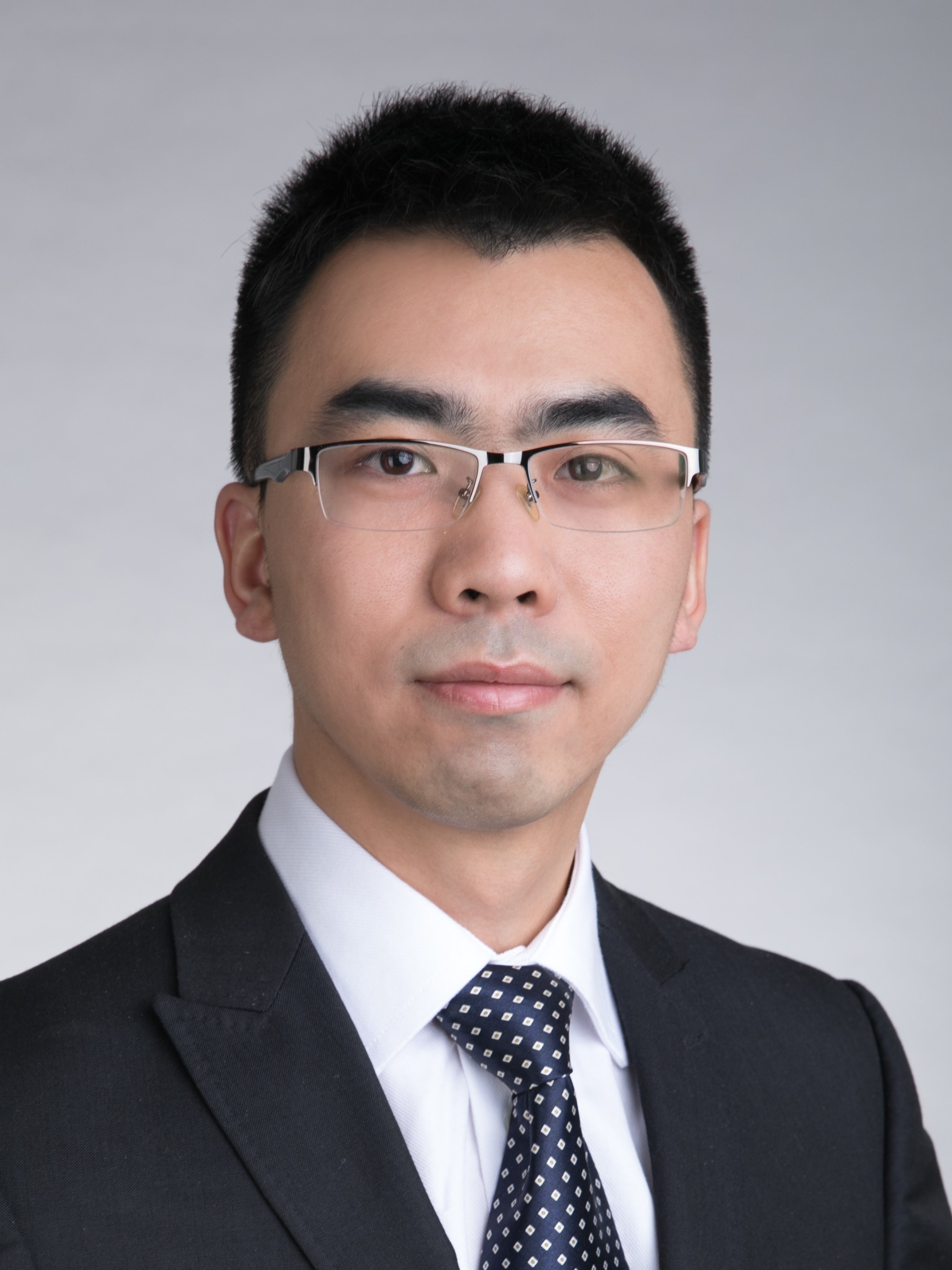 Dr Xinyan Huang is an Associate Professor at The Hong Kong Polytechnic University and the Deputy Director of the Research Centre for Fire Safety Engineering. He received his PhD from Imperial College London, MSc from UC San Diego, and BEng from Southeast University, and was a Postdoc at UC Berkeley. Dr Huang is a Combustion Scientist and a Fire Safety Engineer who has co-authored over 200 journal papers. He is an Associate Editor of Fire Technology and International Journal of Wildland Fire, an editorial member of J. Building Engineering, Fire Safety J. and Fire and Materials, a Chartered Building Services and Fire Engineer, a committee member for HK Fire Safety Code, and a Fire Expert for HK High Court. He receives the NSFC Excellent Young Scientists Fund, Bernard Lewis Fellowship and Sugden Best Paper Award from Combustion Institute, “5 under 35” and Bono Award from the Society of Fire Protection Engineers (SFPE).