
[Best_Wordpress_Gallery gallery_type=”thumbnails” theme_id=”2″ gallery_id=”1″ sort_by=”order” image_column_number=”5″ images_per_page=”30″ image_enable_page=”1″ thumb_width=”360″ thumb_height=”140″ popup_width=”1000″ popup_height=”600″ popup_effect=”fade” popup_interval=”5″ popup_enable_filmstrip=”1″ popup_filmstrip_height=”70″ popup_enable_ctrl_btn=”1″ popup_enable_fullscreen=”1″ popup_enable_comment=”1″ popup_enable_facebook=”1″ popup_enable_twitter=”1″ popup_enable_google=”1″ watermark_type=”none” watermark_link=”http://web-dorado.com”]
11th Symposium Preview Papers Now Online
Publications to be presented at the 11th International Symposium on Fire Safety Science are now online at the IAFSS Digital Archive: http://www.iafss.org/publications/fss/11. These papers are in draft form as the final version will be uploaded after the symposium, once prepared for printing.
11th Symposium Meeting Information
Agendas for various meetings of the IAFSS Committee to be held in Christchurch are available below with all details bar the dial-in telephone details and room information.
Meeting agendas are available for:
The Full Committee of the IAFSS on Sunday
The Full Committee of the IAFSS on Thursday
The General Business Meeting of the IAFSS on Thursday
For more information on the meetings or agendas, please contact the IAFSS Secretary, Margaret Simonson McNamee.
Obituary: Professor Philip Thomas
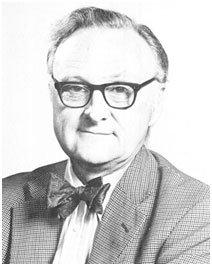
It is with the great sadness we announce the sudden death of Professor Philip Thomas. Philip along with Professor Kawagoe was the founding father of the IAFSS and he was dearly cherished by those of us who knew and worked with him.
Dr. Thomas worked in fire safety research at the Fire Research Station (subsequently part of the Building Research Establishment) for over thirty years, from the early 1950s to the mid 1980s. In that time he published numerous Fire Research Notes and over one hundred journal papers on fire phenomena, many of which are still regularly cited today. Since retiring from the Fire Research Station in 1986 he has remained active in fire research and continues to publish in Fire Safety Journal and elsewhere. The importance of his contributions to the field cannot be overstated. It was once said that he worked on almost every problem related to fire from spontaneous ignition, to wildland fires and from statistical analyses to fire modelling. He was chair of TC 92 in ISO and convenor of W14 for the CIB. He was the founding Chair of IAFSS and the Philip Thomas Medal of Excellence is named in his honor. He worked at a time when journal publications were not so numerous, but his writing mostly contained in Fire Research Notes show his prolific nature and his boundless interests. The new researcher to fire would be lacking not to have read the works of P H Thomas.
An obituary by Prof. Geoffrey Cox is available for download
An obituary in the Telegraph is available here
Those of you who would like to send their condolences to Joanna, his wife, can do so via this email address. A private family funeral will take place this week Friday 24th January. A Memorial Celebration will be held on the 1st March in Somerset. Colleagues are welcome. More information is available here.
Below, Prof. James Quintiere has shared some memories and words of conciliation with the community.
January 14, 2014To Joanna, and the Children and Family of Phil Thomas,As words are a small expression of sadness, I write these to give some solace. However, it is the loss of Phil that is difficult to bear. Those that had a chance to know him in the field of fire research can only view his passing as a loss of continuity to the field. Those that never met him, missed a lot. To me he was a mentor, a colleague, and a friend to enjoy. A fire meeting was not the same without Phil. The first time we engaged was in the wee-hours of the morning on the lawn at Penn State in 1972 attending a combustion conference. I listened to him and John deRis tour the issues of fire research. I have to say that discussion was in many ways my hallmark to the field. It displayed a humanity and soul to fire research that always accompanied time with Phil. Memories can only speak for themselves: After a tour of his old haunts in Tokyo, Phil called to say if I was ok, I said I’ll be down for breakfast shortly, he said it was lunch; Along with Geoff Cox we toasted Bernie McCaffrey as he faded from us; At international standards meetings Phil displayed compassionate diplomacy and a guiding hand; At a Paris café we discussed the formation of IAFSS, but Phil was quick to remember Brooke Shields sitting at the next table; and most of all it was the friendship and hospitality he bestowed on all who came to visit.It was remarked that Phil touched every problem in fire research before anyone else. For those that read the past literature, they will find this to be very true. His work was perfuse, analytical and insightful. When you got to the end, you had a tangible equation as his answer, and he showed why it emerged. He spread his view of fire broadly, as I believe he viewed life. Phil was intellectually curious and concerned about truth and knowledge. He educated me in more than fire research.Several weeks ago, John deRis was visiting and we had occasion to reminisce into the wee hours of the morning. The next day we telephoned Phil. That call expressed our fondness, and longing for the memories with Phil. Those memories will be carried on.Sincerely,Jim Quintiere
Professor Emeritus
University of Maryland, College Park
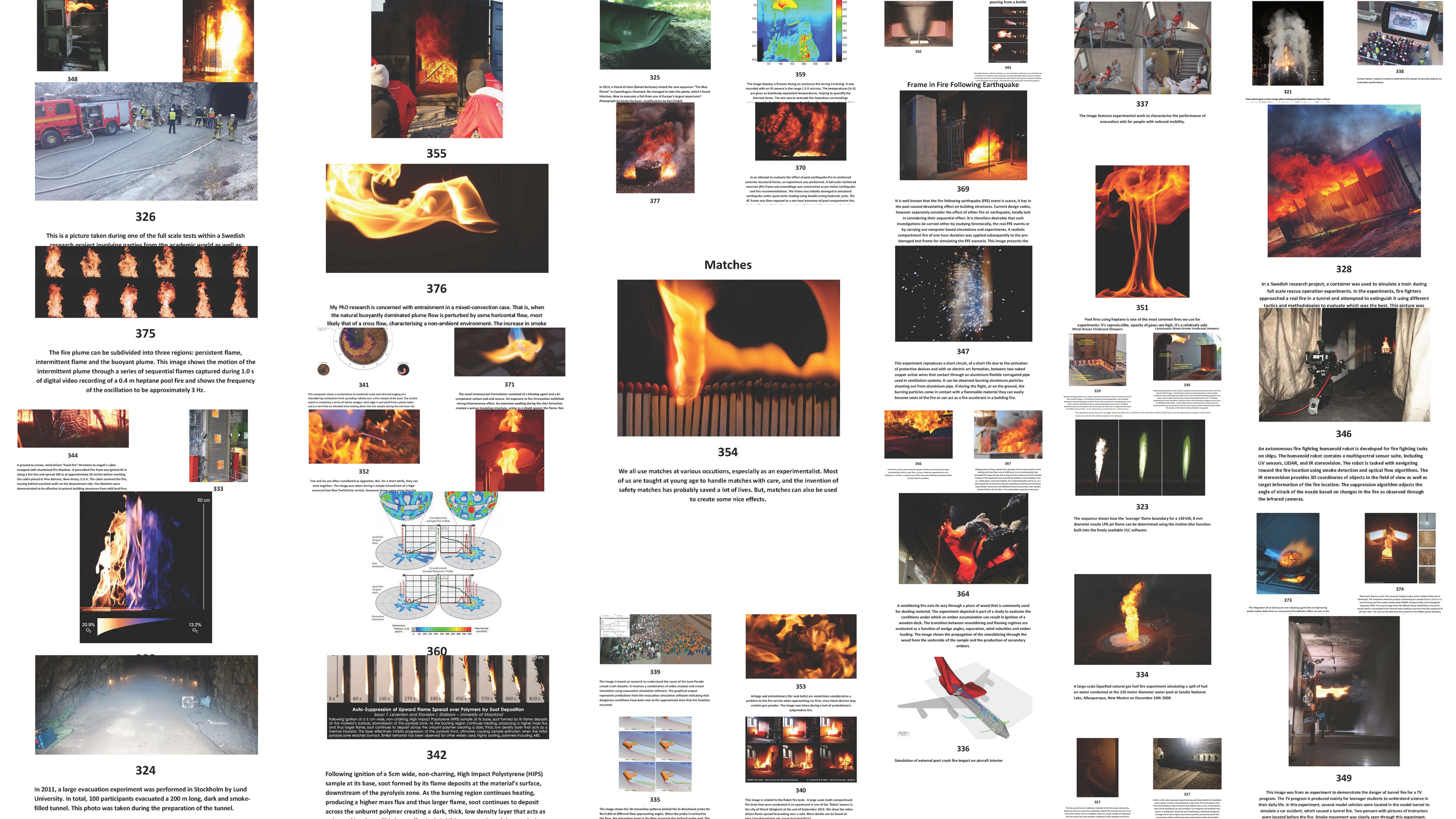
11th Symposium Fire Science Image Submissions Now Open! Due Jan. 31st!
Fire Science Image submissions are now open for the 11th Symposium on Fire Safety Science! They must be submitted before January 31st, 2014!
Fire Science Images
Building on previous successes in recent symposia, the program of the 11th IAFSS Symposium will also include a Fire Science Image competition and you are invited to submit an image that may correspond to experimental studies, numerical studies or actual events. Images should be non-commercial. Images will be displayed on a designated display board. Images should be between A5 (148 mm x 210 mm) and A4 (210 mm x 297 mm) in size.
Awards
Posters and images presented at the 11th IAFSS Symposium will be considered for the following 3 Awards:
- Best Poster Award – Awarded to the best poster based on technical content, organization, and visual presentation. The selection will be made by the poster awards committee.
- Best Student Poster Award – Awarded to the best poster by a student author based on technical content, organization, and visual presentation. The selection will be made by the poster awards committee.
- Graphic Image Award – Awarded to the best fire science image based on originality, scientific significance, and artistic/aesthetic appeal.
Image Submission Instructions
Images should be submitted electronically through the EasyChair web page for the Symposium https://www.easychair.org/conferences/?conf=11iafss. After creating your own login account, select “Submissions” to submit your manuscript. Please choose the most appropriate topic area for your submission.
The submission deadline for images is January 31, 2014. Images submitted after January 31, 2014, will not be considered.
Notes:
- After selecting “New Submission,” please select the “Image” track.
- The keywords on the submission page need to be entered in separate lines. e.g.,
- fire chemistry
- modeling
- flame spread
- Attach the PDF document of your image. Unfortunately, we are not able to accept other formats through the easychair system, however you may convert other image formats for free to PDF online (e.g. http://www.freepdfconvert.com/)
Image Review Process
- Images will be reviewed by the Image Program Committee.
- Submitters will be notified of the Image Program Committee’s decision soon after January 31, 2014
For questions about Image or Poster Submissions, please contact Piotr Tofiło.
IAFSS Best Thesis and Kawagoe Award Nominations due January 7th
Award nominations are due for two prestigious awards that will be presented at the 11th IAFSS Symposium in Christchurch, New Zealand, the IAFSS Best Thesis Award “Excellence in Research” and the Kunio Kawagoe Gold Medal.
- IAFSS Best Thesis Award “Excellence in Research” (PDF) – Nominations due January 7th
- Kunio Kawagoe Gold Medal (PDF) – Nominations due January 7th
- Philip Thomas Silver Medal of Excellence (PDF)
IAFSS Best Thesis Award “Excellence in Research”
Award, eligibility and its privileges IAFSS Best Thesis Award “Excellence in Research” recognises best research dissertation at PhD and Masters levels, in the field of fire safety science and engineering. There are three such Awards for the three IAFSS regions, Europe and Africa, Americas, as well as Asia and Oceania. All theses submitted for examination by 31 Dec 2013 and outside the cut-off date of the 2011 Award (31 January 2011) are eligible for nomination. Each nomination must be submitted by the student’s supervisor, as described below. The Award consists of a plaque and a grant of US$2,000.
Nomination process
The following documents need to be submitted by email by the nominee’s supervisor to Professor Bogdan Dlugogorski, Murdoch University, Australia, B.Dlugogorski@murdoch.edu.au, by 7 January, 2014, 5 pm, Perth (Australia) time: • A letter of recommendation by the nominee’s supervisor not to exceed 2 pages; • A pdf copy of the thesis (preferably in English; if not available, in its original language); • An abstract of the thesis in English (no longer than three pages); • A list of publications. The list should comprise journal articles (including those that have been submitted for publication, whether accepted or not), and conference publications (indicating the form of review; no review, by Abstract, by full paper). Publications in preparation or draft should not be listed; • Pdf preprints or reprints of up to three best papers derived from the nominee’s thesis (conference papers can be included). Only one thesis can be submitted for Award from a given University or Institution. When more than one thesis is of sufficient quality for submission for the Award, a preliminary selection must be carried out locally and the nominee’s supervisor needs to explicitly describe in the letter of recommendation the local selection process. If more than one thesis is submitted by a single institution the nominators will be asked to withdraw the submissions voluntarily and explain the reasoning behind the selection. If more than one thesis remains submitted by 7 January (5.00 pm, Peth time) then none of the submissions from that institution will be considered. All submissions will be confirmed upon reception.
Selection considerations
The four criteria used to select the best thesis include Pertinence Is the thesis’ subject matter within the scope of the field of fire science and engineering? Impact Have the results of the thesis been disseminated broadly in top ranked peer-reviewed international journals and conferences? Significance Do the results of the thesis add to our present knowledge? Are there new, accurate, useful and important? Quality Are the methodologies applied in the thesis sound and correct? Is the thesis well written?
Selection body
The recipients of the IAFSS Best Thesis Award “Excellence in Research” will be selected by the IAFSS Awards Committee that consists of Mr Dieter Brein (Chair, The Karlsruhe Institute of Technology, Germany), Dr Craig Beyler (Hughes Associates, USA), Professor Michael Delichatsios (The University of Ulster, UK), Dr Michael Spearpoint (The University of Canterbury, New Zealand) and Professor Takeyoshi Tanaka (Kyoto University, Japan). For the purpose of this Award, the Committee will be assisted by Professor Bogdan Dlugogorski (Murdoch University, Australia).
Past recipients
IAFSS Best Thesis Award “Excellence in Research” was first presented at the 8th IAFSS Symposium at Tsinghua University in Beijing in 2005. Its past recipients are listed below
2005: (Europe and Africa) Susan Lamont, The University of Edinburgh, UK, PhD Thesis; (Americas) Amnon Bar-Ilan, The University of California, Berkeley, USA, PhD Thesis; (Asia and Oceania) Weng Wenguo, Waseda University, Japan, PhD Thesis
2008: (Europe and Africa) Markus Knobloch ETH, Zurich, Switzerland, PhD Thesis; (Americas) Ali S. Rangwala, The University of California, San Diego, USA, PhD Thesis; (Asia and Oceania) Johannes A.W. Dimyadi, The University of Canterbury, NZ, Masters Thesis
2011: (Europe and Africa) Angus Law, The University Edinburgh, Scotland, UK, PhD Thesis; (Americas) Christopher Lautenberger, The University of California, Berkeley, USA, PhD Thesis; (Asia and Oceania) Kai Chen, The University of Newcastle, Australia, PhD Thesis
Kunio Kawagoe Gold Medal
for Outstanding Lifelong Contributions to Fire Safety Science
Professor Kunio Kawagoe
The picture taken by Dr Philip Thomas; it captures well Professor Kawagoe’s character.
Award eligibility and its privileges
Kunio Kawagoe Gold Medal is awarded by IAFSS as a prestigious recognition of life-long contributions to and career achievements in fire science and engineering. The Award comprises Bronze Medal of gold appearance and Plaque. It entitles the recipient to free travel to and free registration at the Symposium, where the Award is formally announced and presented.
Nomination process
Please send nominations, including a justification (up to two pages in length), and contact details of the proposer and the seconder, to Dr Craig Beyler, CBEYLER@haifire.com, by 7 January 2014, 5 pm, Baltimore time. Either the proposer or the seconder must be a member of IAFSS. Self-nominations will not be accepted. A nominee may or may not be a member of IAFSS. Each nomination is confidential and should not be disclosed to a nominee.
Selection considerations
The past recipients of the Kunio Kawagoe Gold Medal made significant and lasting contributions to fire science and engineering through innovation and impact of their publications. Their research findings frequently led to paradigm shifts in fire regulations, in fire standards and in practical applications of fire safety science and engineering around the world. Some trained research students and young fire safety engineers, produced important textbooks and monographs and often dedicated themselves to fire safety education. They were active in international fire safety community.
Selection body
The recipient of the Award will be selected by the IAFSS Awards Committee that consists of Mr Dieter Brein (Chair, The Karlsruhe Institute of Technology, Germany), Dr Craig Beyler (Hughes Associates, USA), Professor Michael Delichatsios (The University of Ulster, UK), Dr Michael Spearpoint (The University of Canterbury, New Zealand) and Professor Takeyoshi Tanaka (Kyoto University, Japan)
Professor Kunio Kawagoe
Professor Kunio Kawagoe pioneered the development and use of scientifically based fire analysis, developing the relationship between the compartment burning rate and the size of an opening (Rb = 5.5·A·h0.5), in a seminal paper on compartment fire modelling published in 1958. His contributions, especially on fuel-controlled compartment fires and the structural analysis of the fire induced effects in columns and beams, laid foundation to modern fire science and engineering, and underpinned the early development of performance-based fire safety design, especially in Japan. Professor Kawagoe was the Director of the Building Research Institute between 1969 and 1973, when he was appointed Professor in the Faculty of Science and Engineering at the Science University of Tokyo. His career included appointments of the Deanship of the Faculty at the Science University of Tokyo in 1980 and, in 1986, the Directorship of the Centre for Fire Science and Technology. He served as an IAFSS Vice-Chairman from its founding in 1985 until 1991. Professor Kawagoe was a role model and dedicated teacher of young fire safety engineers. He passed away in 1994. (Extracted from T Ishii, Fire Science and Technology 14, 1994, pp i-ii, and from In Memoriam, Proceedings 5th Fire Safety Symposium, 1997, p vii.)
Past recipients
The Medal was first awarded at the 4th IAFSS Symposium in Ottawa in 1994. Its past recipients include
Dr Alexander Robertson (1994, 4th Symposium, Ottawa)
Dr Philip Thomas (1997, 5th Symposium, Melbourne)
Mr Harold “Bud” Nelson (1999, 6th Symposium, Poitiers)
Professor Dougal Drysdale (2002, 7th Symposium, Worcester)
Professor Sizuo Yokoi (2005, 8th Symposium, Beijing)
Professor Geoffrey Cox (2008, 9th Symposium, Karlsruhe)
Professor James Quintiere (2011, 10th Symposium, College Park)
Fire Safety Journal Access for Members
Attention members: free access to articles from the Fire Safety Journal, the official journal of the IAFSS has now been enabled! Members can access the content here: http://www.iafss.org/fire-safety-journal/. This adds to our other outstanding membership benefits including open access to Fire Technology. You must be logged in to your IAFSS account in order to access these benefits. This benefit has been made possible thanks to an agreement made between the IAFSS and Elsevier, the publisher of Fire Safety Journal.
Please also remember to renew or upgrade your membership for next year so that you retain these outstanding member benefits!

SFPE Publishes Recommended Curriculum Content for an MS/ME Degree in Fire Protection Engineering
The SFPE Higher Education Committee has developed a document that is intended to provide recommendations for the development of a Model Curriculum Content for a Master of Science (MS), Master of Engineering (ME) or equivalent Degree in Fire Protection Engineering.
This document is a guideline that is intended to cover a full Master’s Degree program and not a professional development program. It assumes the student successfully complete a minimum of 30 credit hours of required course work. The document was drafted by a professionally diverse task group that included educators and practitioners from six different countries.
SFPE offers this document as a helpful guideline. The document is written in a broad fashion in an attempt to offer the most versatility. While there are key core topics that should be required, this document is not intended to imply that there is only one specific or narrow approach to the development of such programs. Multiple topics may be covered within an individual course or series of courses.
To view this document visit http://goo.gl/MA8dMe.
David Rasbash and the Department of Fire Engineering – Featured Article from Fire Safety Science News #35
by Dougal Drysdale1 and Jack Watts2
1 University of Edinburgh, UK
2 Fire Safety Institute, USA
A Featured Article from Fire Safety Science News # 35
It is 40 years since David Rasbash was appointed to head the new Department of Fire Engineering at Edinburgh University. Its creation was due to the foresight of one man, Frank Rushbrook, Firemaster of Edinburgh and 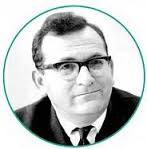 South-East Scotland from 1959 to 1970. He had come to realise that the gap between the existing fire engineers – almost 100% of whom were acting and retired Fire Brigade Officers – and members of the other, well established professional engineering disciplines (Civil, Mechanical, Electrical and Chemical) was rapidly becoming unbridgeable as a consequence of the rapid advances in science and technology that had been made since the Second World War. Graduate engineers were urgently required in the UK Fire Service and Rushbrook took the bold step of proposing that a tailor-made undergraduate degree in Fire Engineering be developed as the best option to advance the capabilities of the Fire Service.
His vision was about two decades ahead of its time, but thanks to a great leap of faith by Sir Michael Swann, then Vice-Chancellor, Edinburgh University agreed to establishing the fledgling Department. David Rasbash proved to be the ideal person to undertake the challenge of its development although when he arrived in Edinburgh it was to face a blank canvas. Fire Protection Engineering had been taught at the Illinois Institute of Technology since the early 20th Century, but in 1973, Fire Engineering did not exist as a graduate academic discipline. Rasbash graduated in Chemical Engineering at Imperial College, London in the 1940s and had been with the Fire Research Station (FRS), Borehamwood, for over 25 years. During this time, he worked on an astonishing range of topics, mostly at a fundamental level, applying his keen intellect and boyish enthusiasm for each one – and building up an overview of the field that we now define as “fire safety engineering”. He was the main contributor to 50 of the Fire Research Notes that were published by FRS up until the 1970s. These included studies of gas explosions in buildings and in ducts; the properties of sprays of water droplets; the suppression of pool fires; the fundamentals of ignition and extinction; smoke production and visibility through fire gases; and the formation of carbon monoxide in compartment fires. In addition, he was closely associated with the early work on detection and served as Chairman of the European Committee on Fire Detection (CEN/WG 72). Serendipitously, in 1966, he undertook a review of the courses on Fire Technology that were then available in the United States.
At a time before the word “holistic” was in common use, it might be said that David Rasbash had a truly holistic view of “fire safety engineering”. He made this very clear in his Inaugural Lecture “New Variation on an Old Theme” [1] in which he emphasised the fact that fire phenomena – as distinct from “combustion” – had not been subjected to rigorous scientific studies. He introduced his audience to some of the fundamentals that had been tackled after the Second World War, mainly in the UK, Japan and the USA and indicated how he saw the new department developing this research further.
However, Rushbrook’s vision was of a department that would prove a stream of graduate engineers that would enter and promote the professionalism of the Fire Service. This required the establishment of an academic programme which could be based on a curriculum that included fire science and engineering as well as the traditional sub-disciplines associated with fire technology (sprinkler design, smoke extract systems, evacuation, risk assessment, etc.), but underpinned by a fundamental understanding of the scientific principles of fire. At that time fundamental understanding was incomplete and there were no textbooks on which a curriculum could be based. The curriculum with which the Edinburgh Masters’ Degree programme which started in 1974 was drawn up by David Rasbash and refined during the subsequent years, eventually published in Fire Safety Journal of which he was editor at the time [2]. The content of the curriculum was based on material from a wide range of sources, including the Fire Research Notes, publications from the Centre for Fire Research (National Bureau of Standards, USA), Factory Mutual Research Corporation (USA), the Building Research Institute in Japan and the active fire group at the University of Lund, Sweden, led by Professor Ove Petterson.
The material for much of the course drew on original research papers and reports, reflecting the diversity of the discipline. Rasbash organised the International Symposium on Fire Safety of Combustible Materials that was held in Edinburgh i
In 1976, bringing together for the first time individuals from National Fire Laboratories in 8 countries who had never before had the opportunity to meet and discuss common problems and interests. Common approaches were identified and there were clear signs of the development of a unified understanding. In his closing remarks at the Symposium, Rasbash used a musical metaphor to describe the state of the subject at that time. He compared it to a Sibelius symphony in which the audience becomes aware of bits of melody as the music develops, gradually being woven together to create the final melodic lines that make up the whole.
Not only was David Rasbash responsible for creating the structure of what we now call “Fire Safety Engineering”, but along with (inter alia) Philip Thomas, Kunio Kawagoe, Ove Petterson and Jim Quintiere he was one of the founder members of the IAFSS, as well as actively working towards the establishment of a professional Engineering Institute for Fire Safety Engineers in the UK. This was eventually recognised by the UK Engineering Council who encouraged the fledgling Society of Fire Safety Engineers to combine with the Institution of Fire Engineers to develop a single body to ensure the standards in the profession. This amalgamation took place in 2004.
Sadly, David Rasbash did not live to see this happen as he passed away after a long illness in 1997 but he will be remembered for the crucial contribution he made to Fire Safety Engineering world-wide. His legacy is evident in the professionals he mentored and the students to whom he imparted his enthusiasm and singular appreciation of the discipline. He is recognised by the Institution of Fire Engineers by the annual award of the Rasbash Medal.
REFERENCES
- D J Rasbash, New Variation on an Old Theme, Inaugural Lecture, University of Edinburgh, 14th November 1974 (http://www.era.lib.ed.ac.uk/handle/1842/5574)
- D J Rasbash, A modular approach to the subject of Fire Safety Engineering, Fire Safety Journal 3 31-40 (1980).
 Dr Natalia Flores-Quiroz is a researcher with experience in fire safety engineering. She worked for five years as a fire safety engineer in the mining industry before joining academia. She holds a MSc in fire safety from Ghent University, and her PhD focused on Fire investigations in Informal Settlements. Currently she is a lecturer at Stellenbosch University, where her main research areas are reconstruction of incidents in low-income settlements (i.e., informal settlements, refugee camps) and wildland urban interface (WUI) fires.
 Bronwyn Forrest is a 3rd year PhD student at the University of Waterloo, conducting multi-disciplinary research investigating human physiological response to fire exposure. Bronwyn graduated in 2017 with a BSc. Honours Kinesiology and in 2020 with a MASc. Mechanical & Mechatronics Engineering (Heat Release Rate in Ventilation-Limited Furniture Fires) before merging her two degrees in her PhD research. As a senior graduate student in the Fire Research Group, Bronwyn spear-heads large-scale fire experiments, mentors junior graduate and undergraduate students, and has recently set-up a new ‘human exposure lab’ at the Fire Research Facility where she leads new research in that area. Since her induction into the world of fire science, Bronwyn has grown more and more passionate about the multi-faceted nature of emerging fire safety challenges. Through innovative research, she hopes to make meaningful contributions that help shape changes to fire safety over the course of her career.
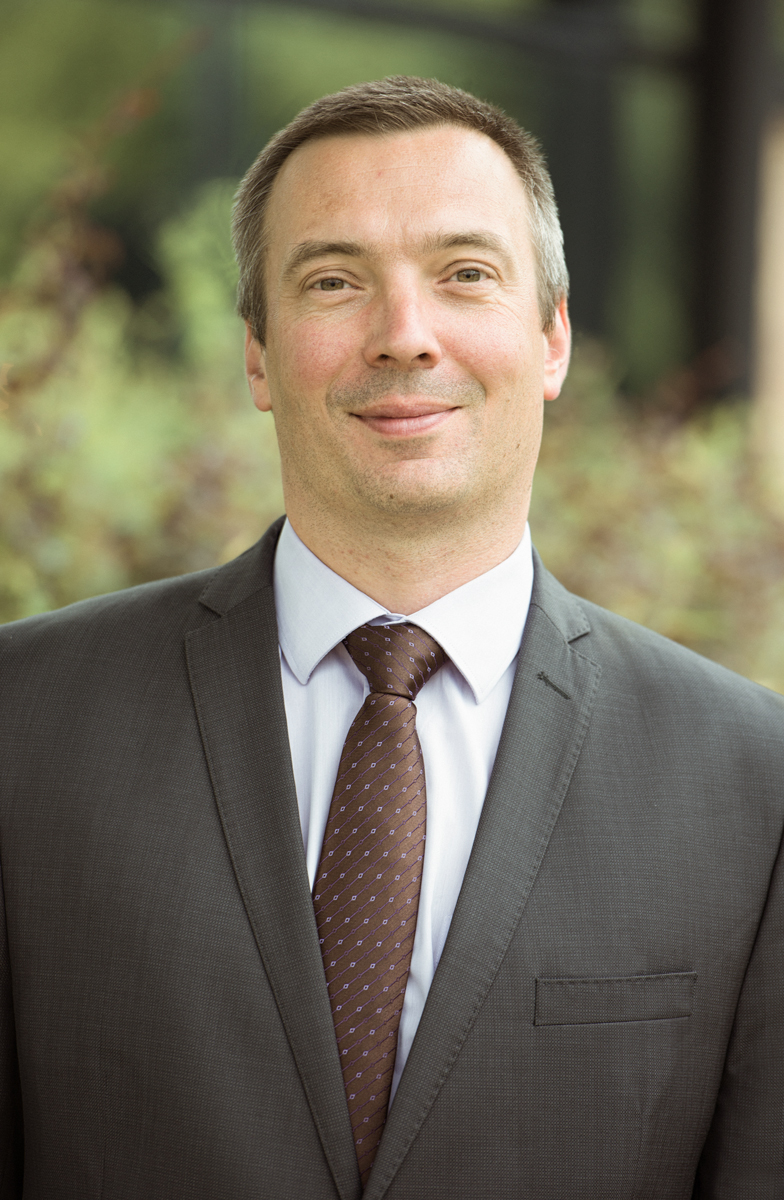 Dr. (HDR) Eric Guillaume has worked in fire sciences since 1998. He formerly led the fire behaviour department of SNCF (French Railway), then changed company in 2005 to join LNE (The French National Laboratory for Testing and Metrology) as head of Fire safety studies department, and later as head of research for whole testing activities of LNE. Nowadays (since 2015), he works for Efectis France, first as Technical Director and more recently as General Manager of the company, leading one of the most important fire testing and fire safety engineering companies in Europe (With approx. 180 people and 28 M€ turnover)
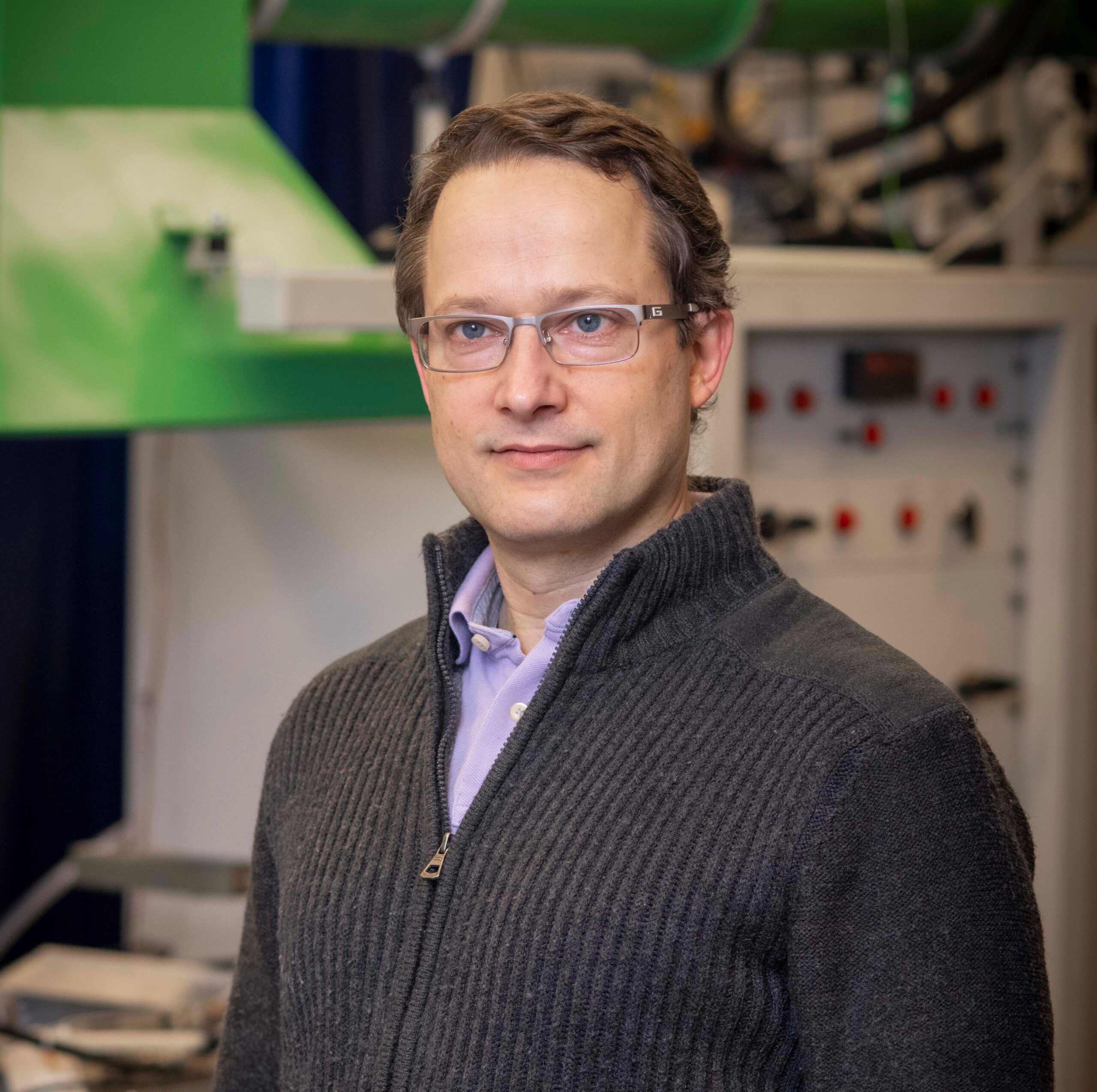 Dr. Albert Simeoni is Professor and the Department Head of Fire Protection Engineering at Worcester Polytechnic Institute (WPI). He is the WPI site director of the Wildfire Interdisciplinary Research Center (WIRC), an Industry-University Cooperative Research Center (IUCRC) of the National Science Foundation (NSF) in the United States. Dr. Simeoni has served IAFSS by being chair or co-chair of the Wildland Fire track (2014, 2020 and 2023), Co-chair of the Awards Committee for the Best Thesis Awards (2023), Associate-Editor of Fire Safety Journal (2010-2015), member of the Editorial Board of Fire Safety Journal (since 2016), and Contributing Editor of Fire Safety Science News (since 2011).
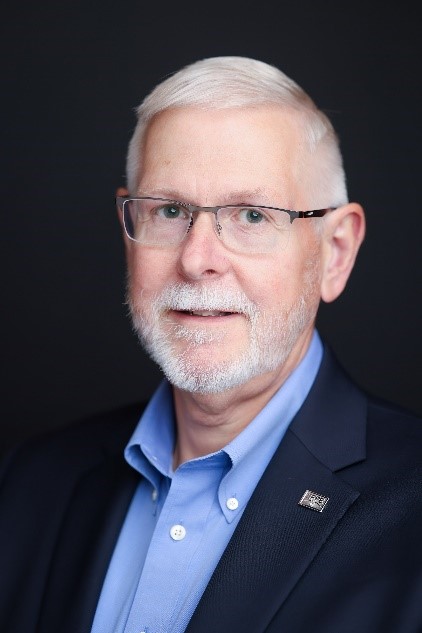 Brian J. Meacham, PhD, PE (CT&MA), EUR ING, CEng (UK), FIFireE, FSFPE, is the Managing Principal of Meacham Associates. He develops risk-informed performance-based solutions to complex building and infrastructure challenges, provides peer-review services, and undertakes building and fire regulatory system studies. He also conducts research in these areas as well as in sustainable and fire resilient built environments and fire safety technologies. Brian has authored more than 300 publications, given more than 300 presentations and has been awarded more than $4M in research funding. His prior positions include Associate Professor of Fire Protection Engineering at Worcester Polytechnic Institute, Principal at Arup, Technical Director and Research Director at SFPE, and fire safety engineer in Europe and the USA. Brian is Chair of the ICC Performance Code Committee, Chair of the NFPA Technical Committee on Fire Risk Assessment Methods, Immediate Past Chair of the International Association for Fire Safety Science (IAFSS), a Past President of the SFPE, and a past Chair of the Inter-jurisdictional Regulatory Collaboration Committee (IRCC). He is a licensed Professional Engineer in CT and MA, a Chartered Engineer and Fellow of the Institution of Fire Engineers (UK), a registered European Engineer (EUR ING), a Fellow of the SFPE, and a Fulbright Global Scholar.
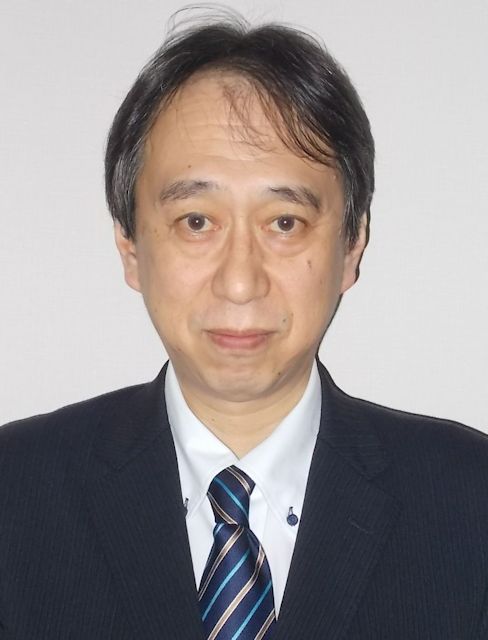 Kazunori Harada is a professor of architecture & architectural engineering at Kyoto University, Japan. He has a career in fire research for over 35 years. He has authored 14 IAFSS symposium papers. His expertise covers the fire resistance of construction materials, smoke movement and control, burning of combustibles in open and compartment, performance-based code & design of buildings and so on. He serves as a vice president of AOAFST, Asia-Oceania Association of Fire Science and Technology. He also serves as the Convenor of ISO/TC92/SC4 WG9, calculation methods for fire safety engineering (FSE), which develops calculation standards concerning FSE.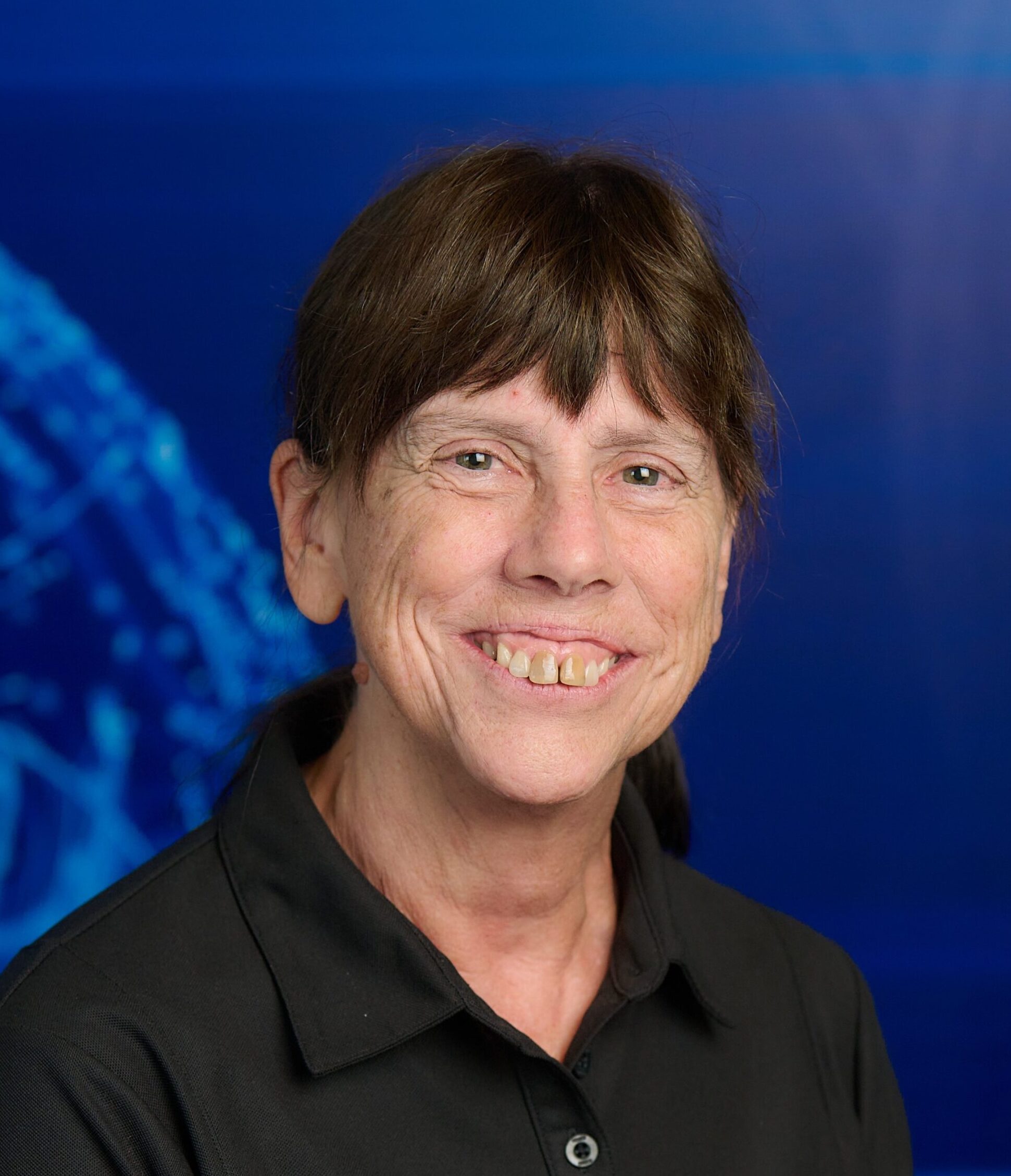
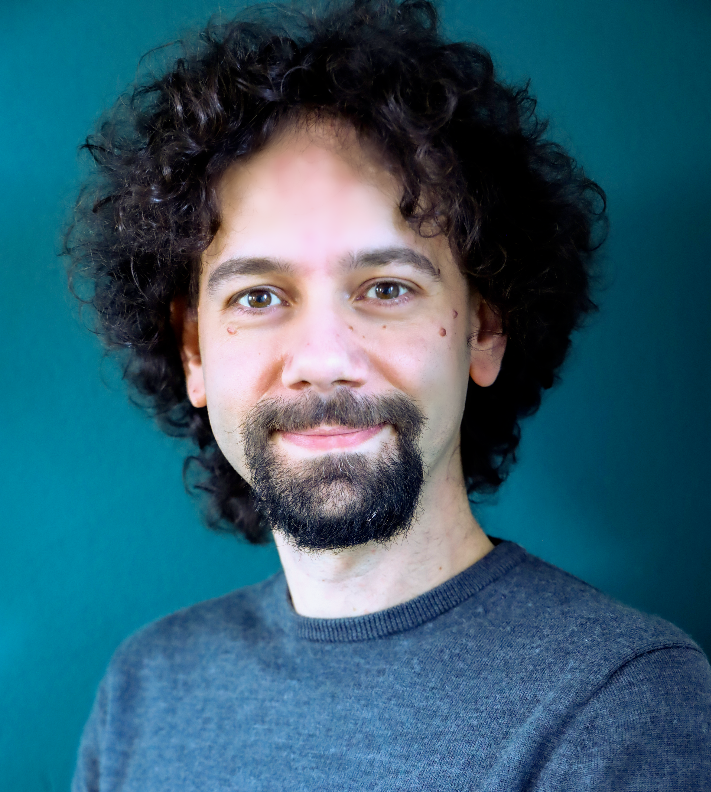 Enrico Ronchi is an Associate Professor at Lund University, Sweden. His research and education activities are focused on evacuation and human behaviour in case of building fires and wildfires. His work has been published in over 150 publications (including >90 peer-reviewed journal papers). He is currently Associate Editor for the journals Fire Technology and Safety Science and member of the editorial board of the Fire Safety Journal.
 Jennifer Wen is currently Professor of Energy Resilience in the School of Mechanical Engineering Sciences, University of Surrey as Professor. Previously, Jennifer held positions at Computational Dynamics Limited (founding vendor of STAR-CCM), British Gas plc, South Bank University, Kingston University London, and University of Warwick. She is a Fellow of the Institution of Mechanical Engineers and Vice-Chair for Research for the International Association for Fire Safety Science. Jennifer is also a member and sub-task leader of the European Safety Panel on Hydrogen Safety (EHSP) established by the Fuel Cell and Hydrogen Joint Undertaking (now Clean Hydrogen Partnership) of the European Commission. She is an Associate Editor for the Proceedings of the Combustion Institute.
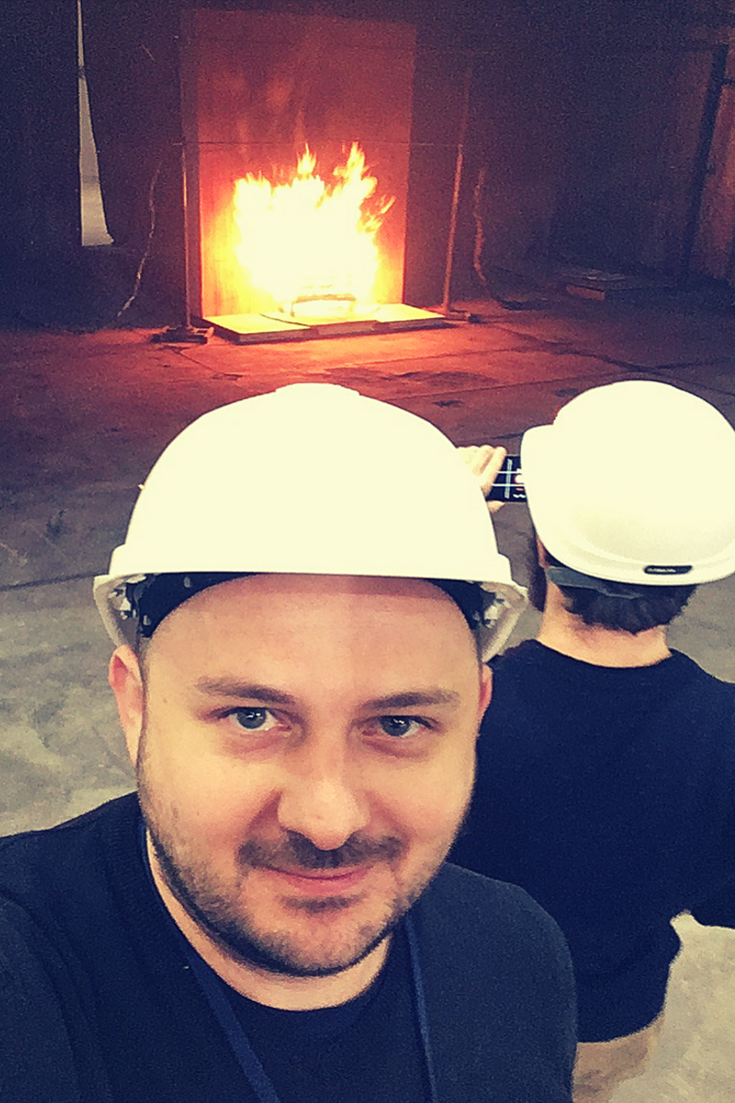 Dr Wojciech Węgrzyński is with ITB, that is the Polish Building Research Institute in Warsaw. He currently holds the position of the Deputy Head of Fire Research Department and the Professor of the Institute, and a Director at SFPE Europe. He is the Author of 40 peer-reviewed papers published in all of the primary FSE journals. His main area of interest is the fundamentals of compartment fire dynamics and standardized fire testing, and also: use of computational fluid dynamics in fire, wind and fire interaction and evaluation of the effects of the spread of smoke in buildings. His research is focused on the impact of the architectural context of the building on the smoke control performance, as well as finding solutions to make the smoke exhaust systems cheaper and more efficient. Member of the Sub-committee for Research of the IAFSS. 2018 NFPA Harry C. Bigglestone Award Recipient; 2019 Jack Watts Award Recipient; 2020 SFPE 5 Under 35 Award Recipient. Member of Editorial Board of ‘Fire Technology. Hosts a fire podcast at
  Dr. Shuna Ni is an Assistant Professor in the Department of Fire Protection Engineering at the University of Maryland, College Park. She received her Ph.D. degree at Texas A&M University in 2018 and her Master’s degree at Tongji University in 2013. Dr. Ni’s research focuses on fire forensics, structural fire engineering, WUI fire resilience, fire safety of tall mass-timber buildings and fire-related multiple hazards. Her research has been funded by National Science Foundation, National Institute of Justice, Fire Protection Research Foundation, University Transportation Centers under the Department of Transportation, Grand Challenges Grants Program at the University of Maryland and industrial partners.
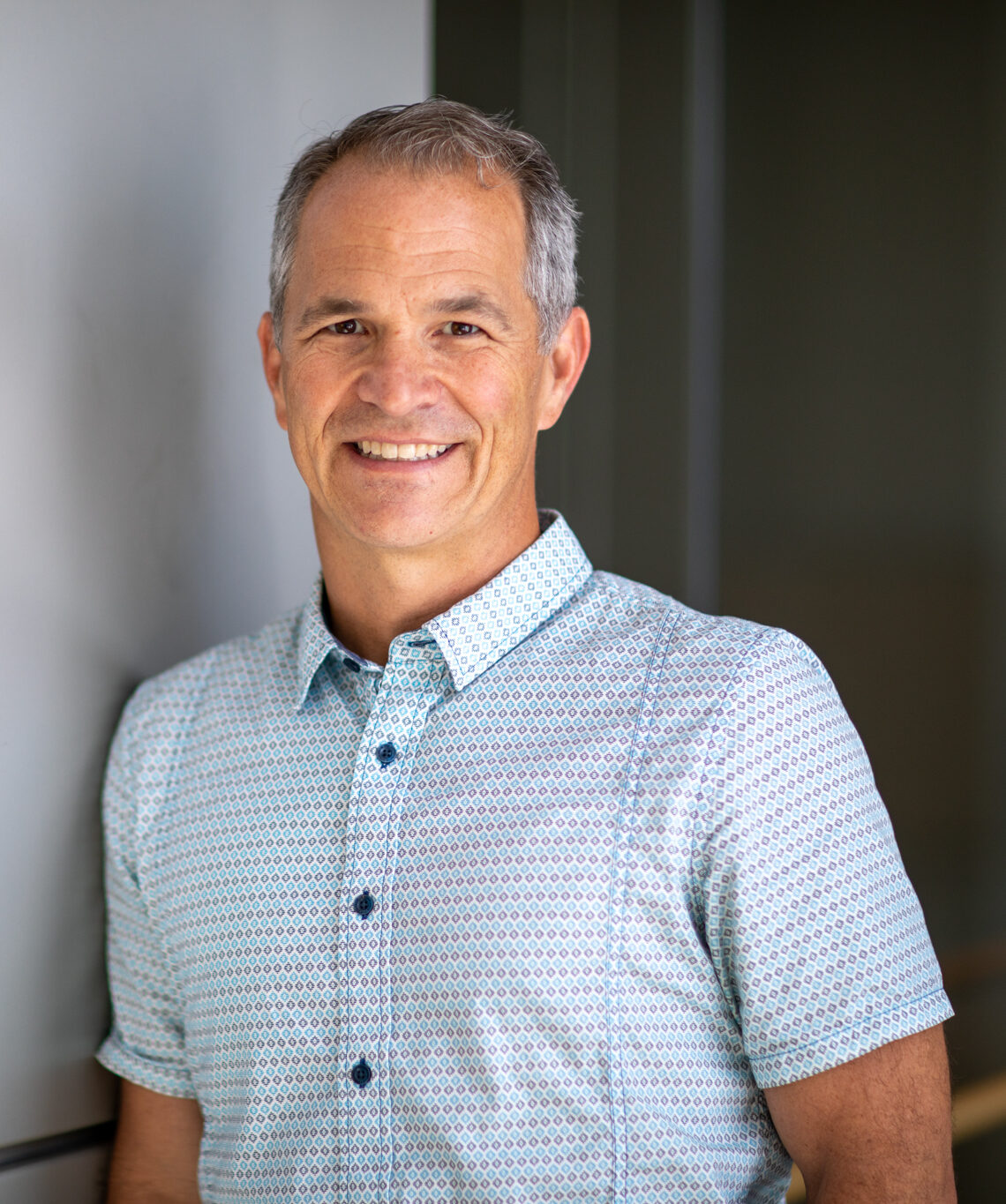 Brian Lattimer, Ph.D. is a Professor in Mechanical Engineering at Virginia Tech where he performs experimental and computational research on fire safety and disaster resilience. He has nearly 30 years of experience in fire related research. His research areas include material behavior in fires, fire dynamics, suppression agents, heat transfer from fires to surfaces, structural response during fire, and firefighting technology.
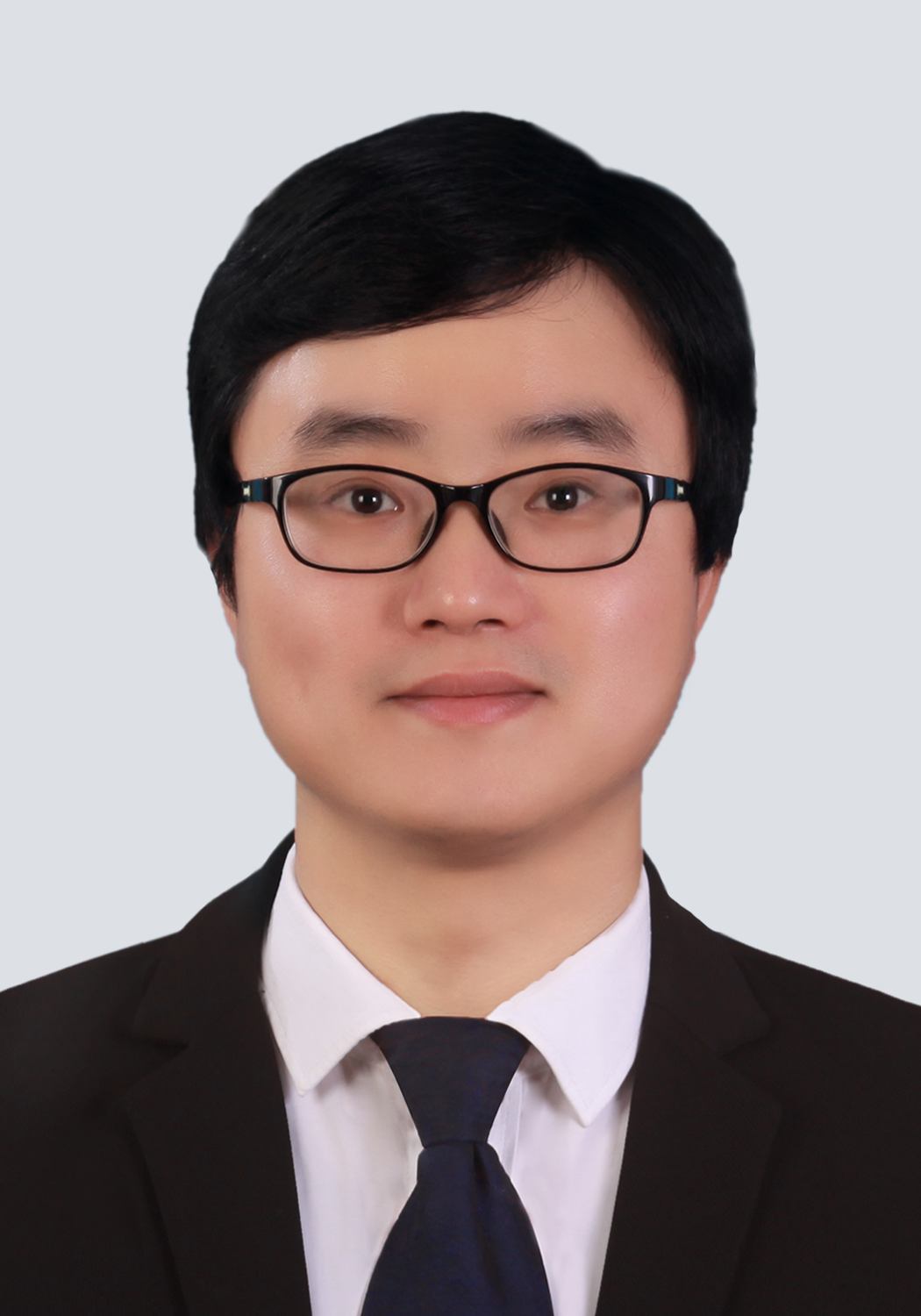 Yu Wang is a professor at the State Key Laboratory of Fire Science, University of Science and Technology of China (USTC). He got joint Ph.D. from USTC and the City University of Hong Kong in 2016 and had working experience at the University of Edinburgh, Worcester Polytechnic Institute and National University of Singapore before returning to China in 2020. His primary research areas are high-rise building fire and large outdoor fire. Yu has published over 50 SCI journal papers, and is currently an Associate Editor in Fire Technology and Editorial Board Member in Fire Safety Journal. He initiated the first English fire course at USTC, Introduction of Fire Dynamics, reported by China News and People’s Daily Online (over 260,000 audiences). In recent years, he has received SFPE Global 5 Under 35 Award, Youth May Fourth Medal (Anhui Province), Young Faculty Career Award (USTCAF), and some Best Paper/Presentation/Poster/Image Awards in IAFSS or AOSFST.
 ROGAUME Thomas is an Professor at the University of Poitiers – Pprime Institute (UPR3346 CNRS), FRANCE.
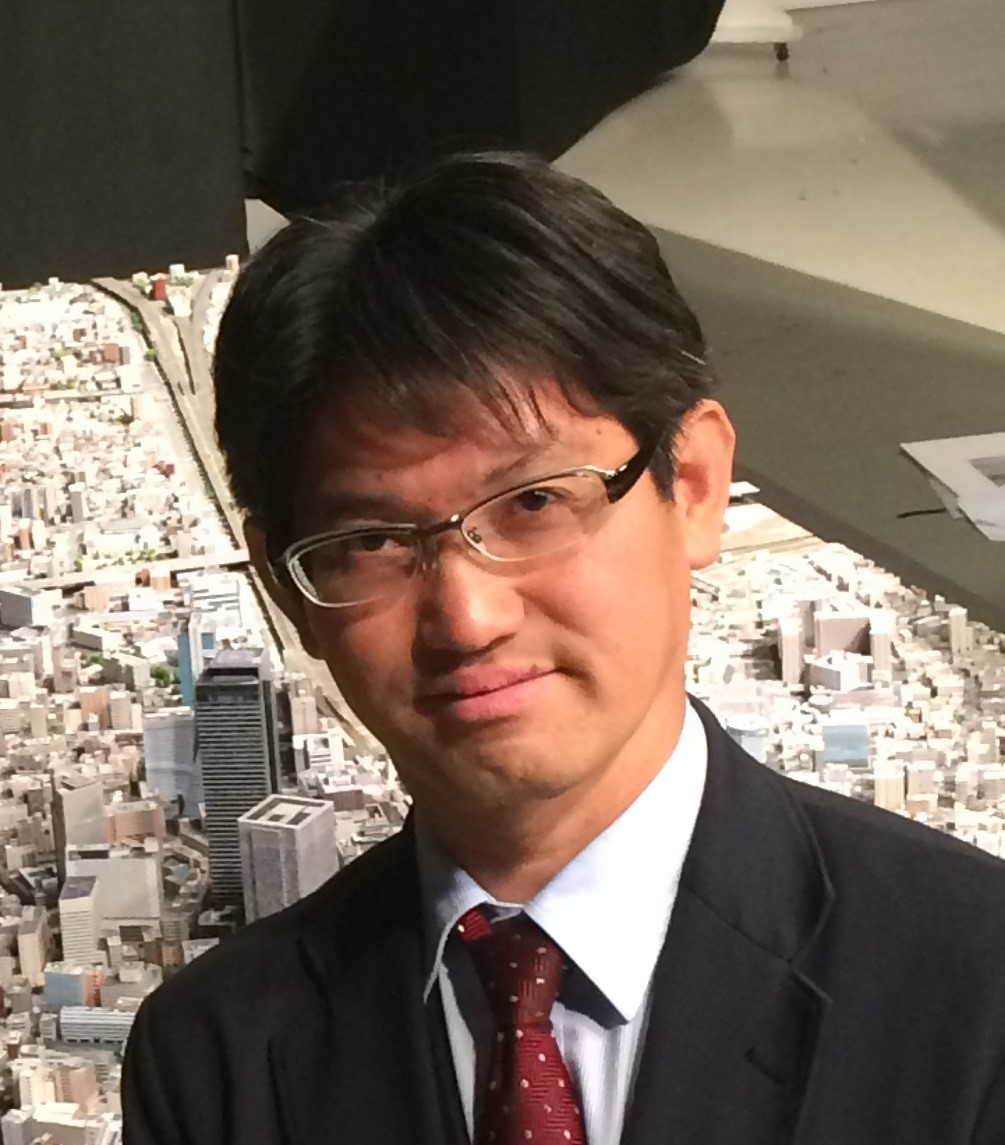 Prof. Yuji Nakamura is Full Professor in Department of Mechanical Engineering, Toyohashi University of Technology (TUT), appointed as Affiliate Full Professor in Center for Fire Science and Technology, Tokyo University of Science (since 2014). He currently serves the Head of Energy Conversion Laboratory and appointed as Department Chair since 2024. Prof. Nakamura has made professional service in Fire Science Community served as Management Committee of IAFSS during 2021-2023, worked as Co-chair of LOC in the most recent IAFSS symposium at Tsukuba, acting Associate Editor of Fire Technology since 2014 and board member of Fire Safety Journal since 2017.
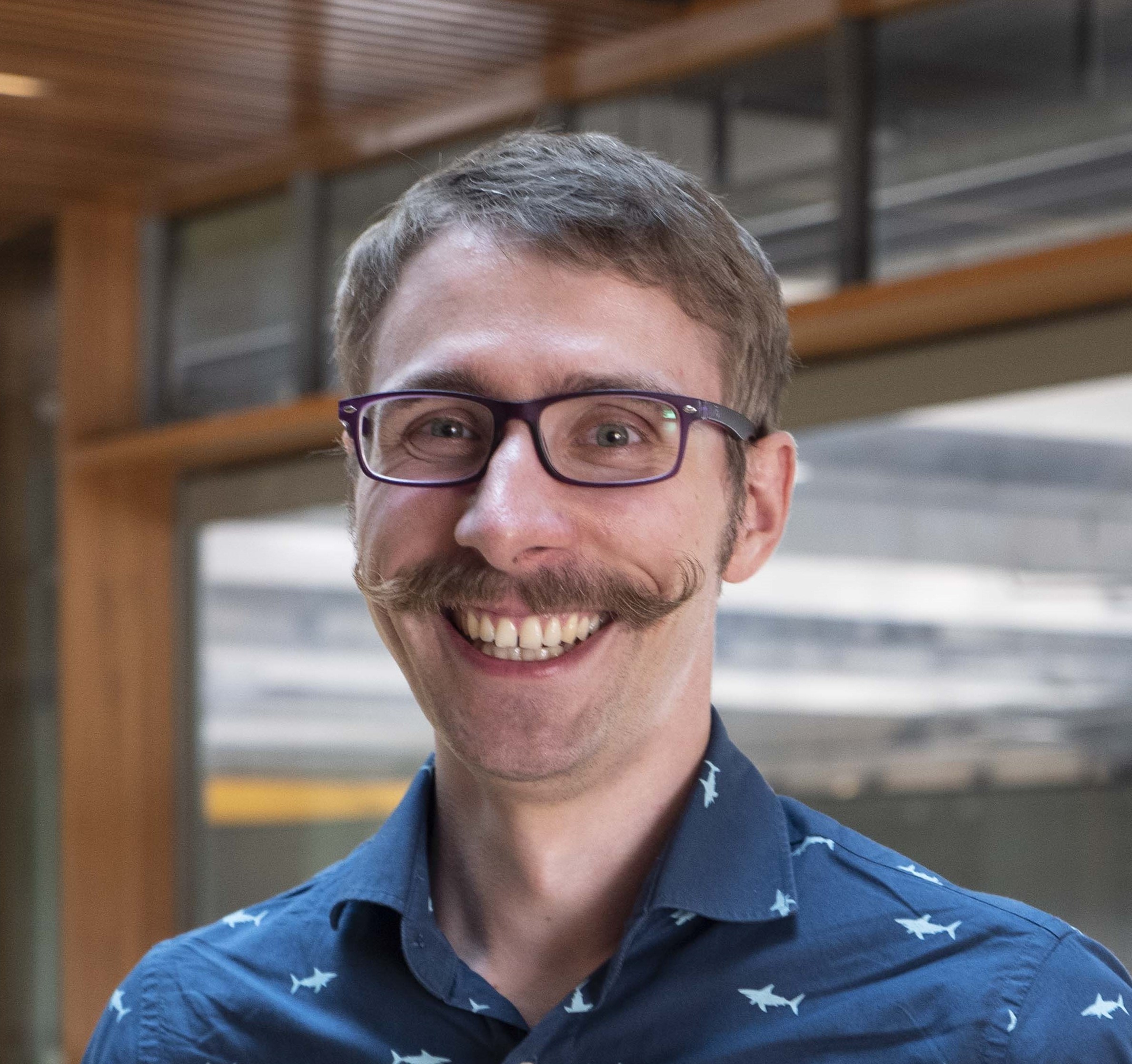 Dr Felix Wiesner is an Assistant Professor at the University of British Columbia and study the role of engineered timber in fire safety. I work in the Faculty of Forestry as part of the Wood Science department. My research focus has mostly been experimental, considering fire dynamics in timber compartments and the structural fire capacity of engineered timber products. In addition, I am interested in the performance of timber in exterior building or infrastructure setting. This closely interfaces with wildfire considerations for the wildland urban interface (WUI), especially when it comes to smouldering.
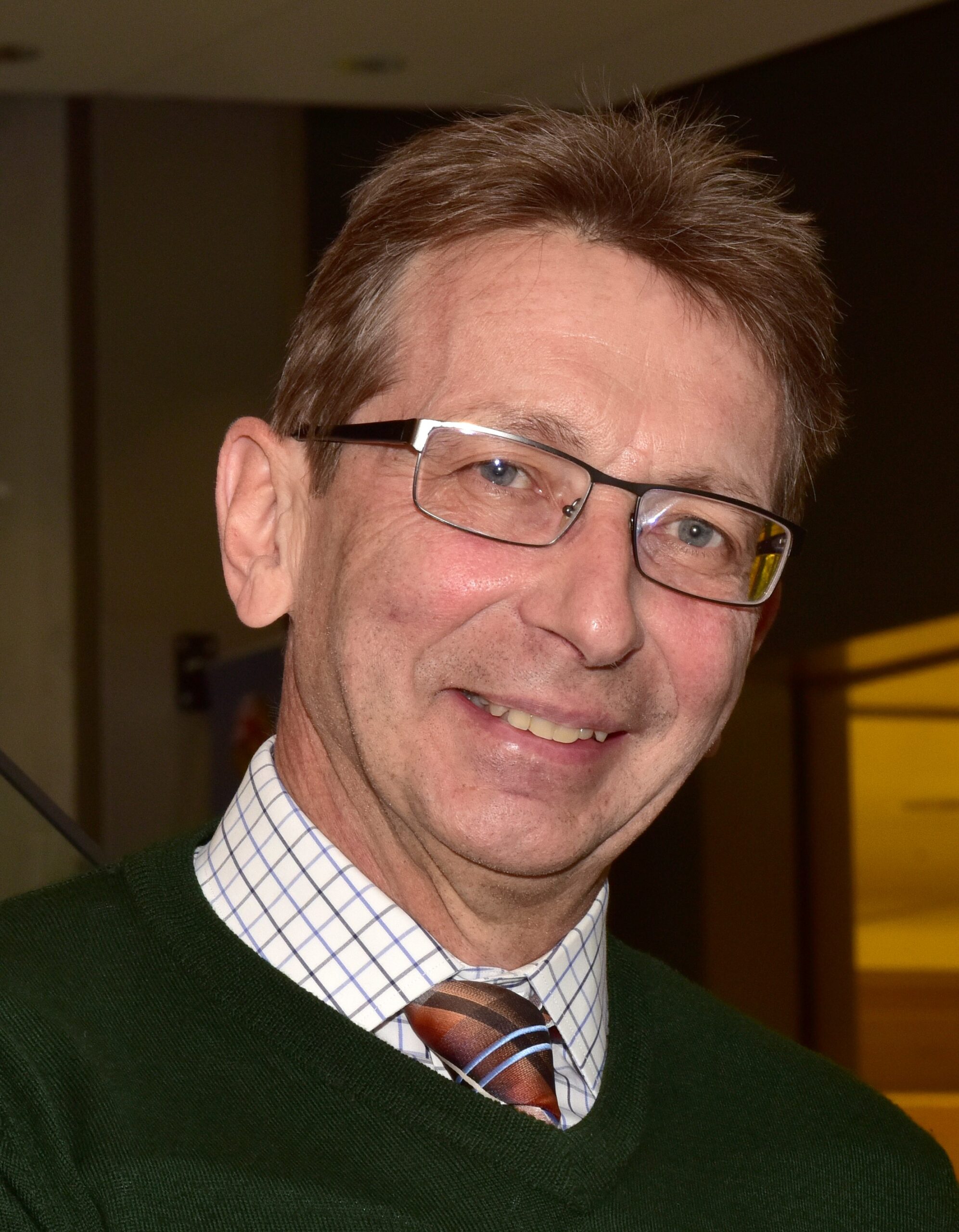 Arnaud Trouvé is Professor and Chair in the Department of Fire Protection Engineering at the University of Maryland in College Park, USA. He joined the Faculty in 2001 with a Ph.D. (1989) and Engineering Degree (1985) from École Centrale of Paris, France, and with previous experience as a combustion research engineer. Professor Trouvé’s research interests include fire modeling and Computational Fluid Dynamics (CFD); application of data assimilation to fire and combustion; and physical modeling of combustion- and fire-related phenomena, including compartment fires, wildland fires and explosions. Professor Trouvé is a Fellow of the Combustion Institute and the recipient of the 2017 FORUM Sjölin Award. He has served on the editorial boards of the Proceedings of the Combustion Institute, Progress in Energy and Combustion Science, Combustion and Flame, and Fire Technology, and is currently on the editorial boards of Combustion Theory and Modelling and the Fire Safety Journal. Professor Trouvé is also a past Chair of the US Eastern States Section of the Combustion Institute (ESSCI) and a past Member of the Executive Board of the International Association for Fire Safety Science (IAFSS). He is a co-Chair of a recent initiative endorsed by IAFSS and called the “IAFSS Working Group on Measurement and Computation of Fire Phenomena” (the MaCFP Working Group) and the past Chair of a new network of leading higher-education institutions and research laboratories in fire safety engineering called the International Fire Safety Consortium (IFSC).
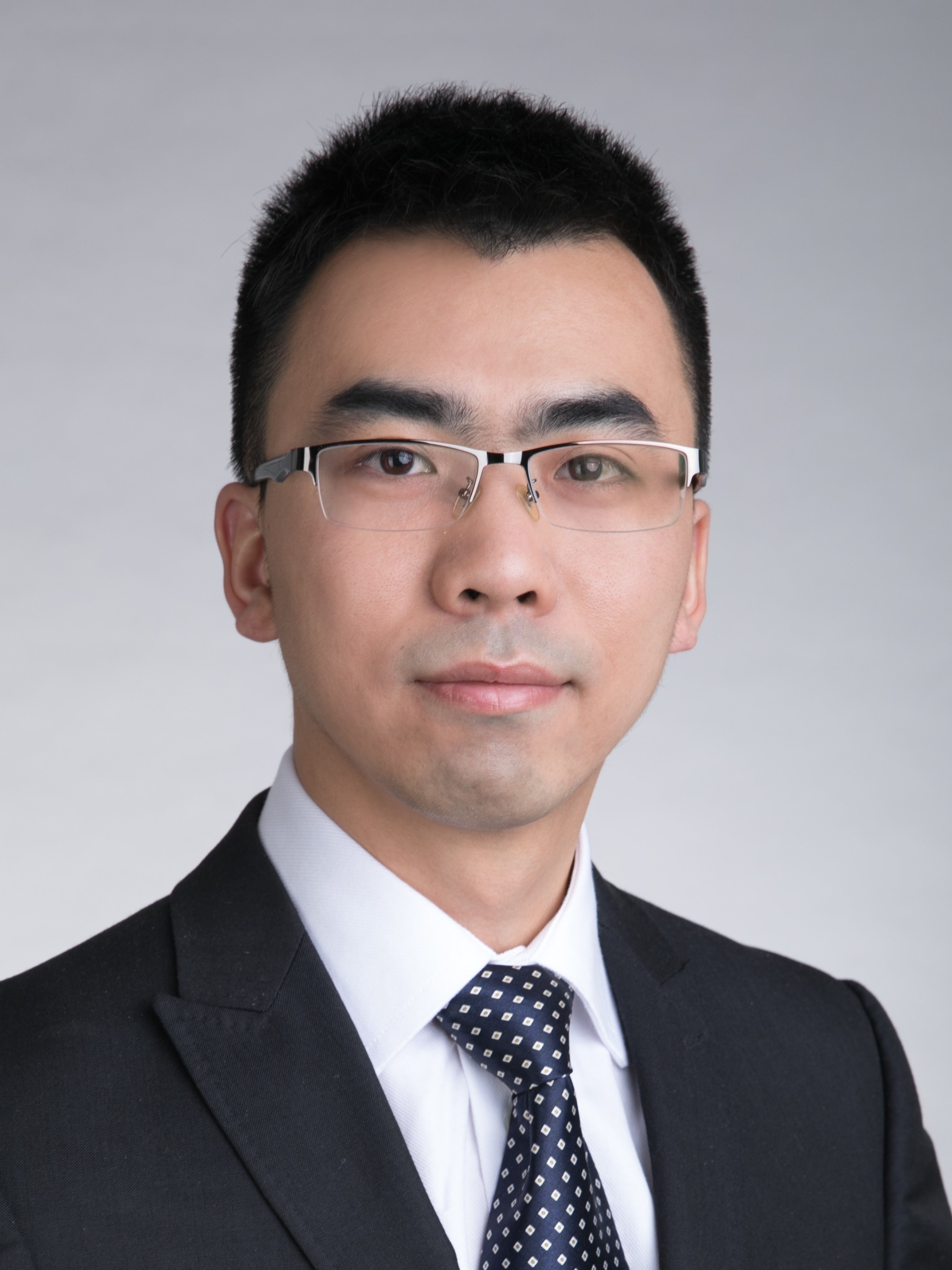 Dr Xinyan Huang is an Associate Professor at The Hong Kong Polytechnic University and the Deputy Director of the Research Centre for Fire Safety Engineering. He received his PhD from Imperial College London, MSc from UC San Diego, and BEng from Southeast University, and was a Postdoc at UC Berkeley. Dr Huang is a Combustion Scientist and a Fire Safety Engineer who has co-authored over 200 journal papers. He is an Associate Editor of Fire Technology and International Journal of Wildland Fire, an editorial member of J. Building Engineering, Fire Safety J. and Fire and Materials, a Chartered Building Services and Fire Engineer, a committee member for HK Fire Safety Code, and a Fire Expert for HK High Court. He receives the NSFC Excellent Young Scientists Fund, Bernard Lewis Fellowship and Sugden Best Paper Award from Combustion Institute, “5 under 35” and Bono Award from the Society of Fire Protection Engineers (SFPE).